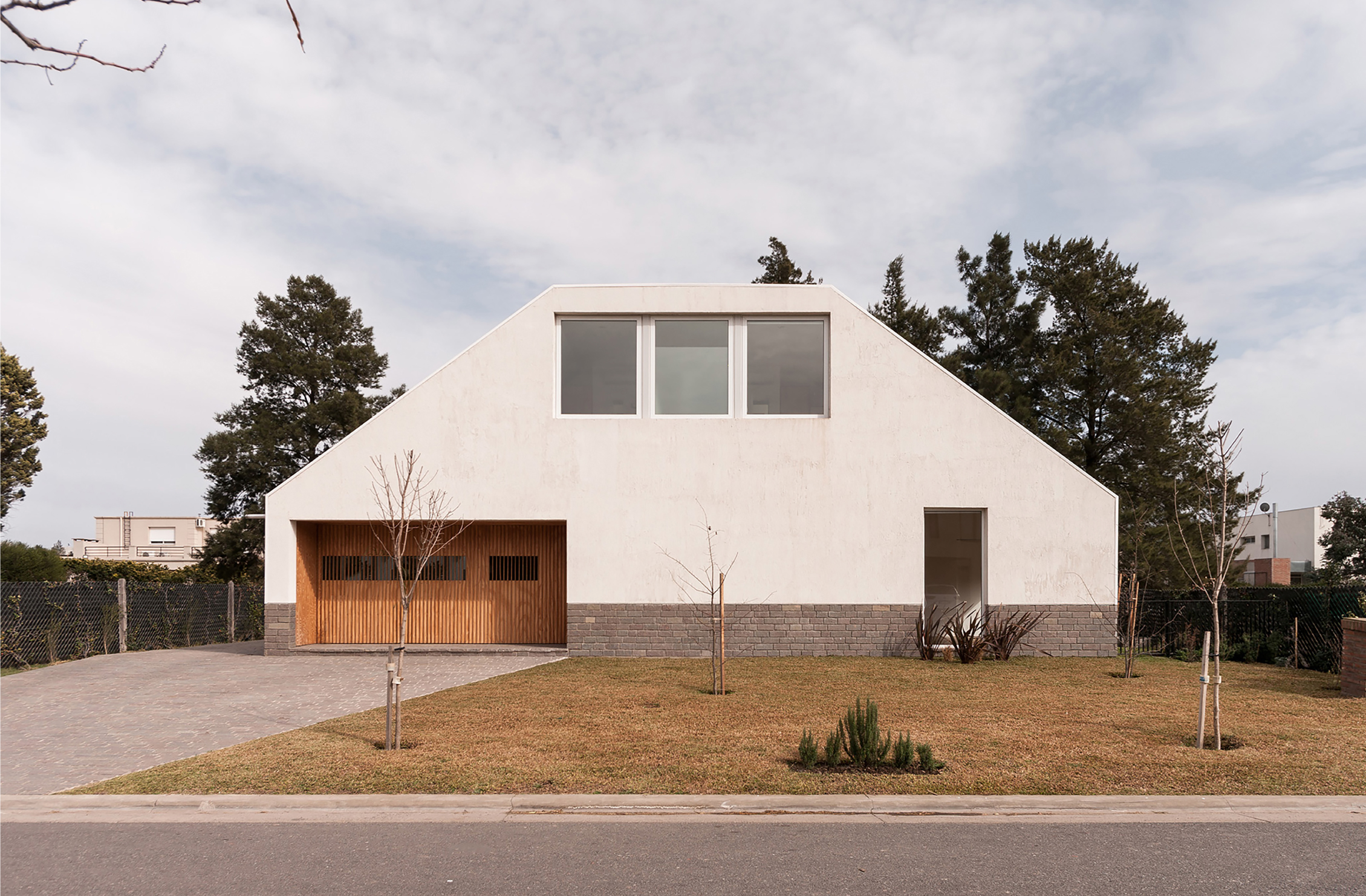
Casa en Las Afueras de Rosario, Santa Fe, Argentina. 2019.
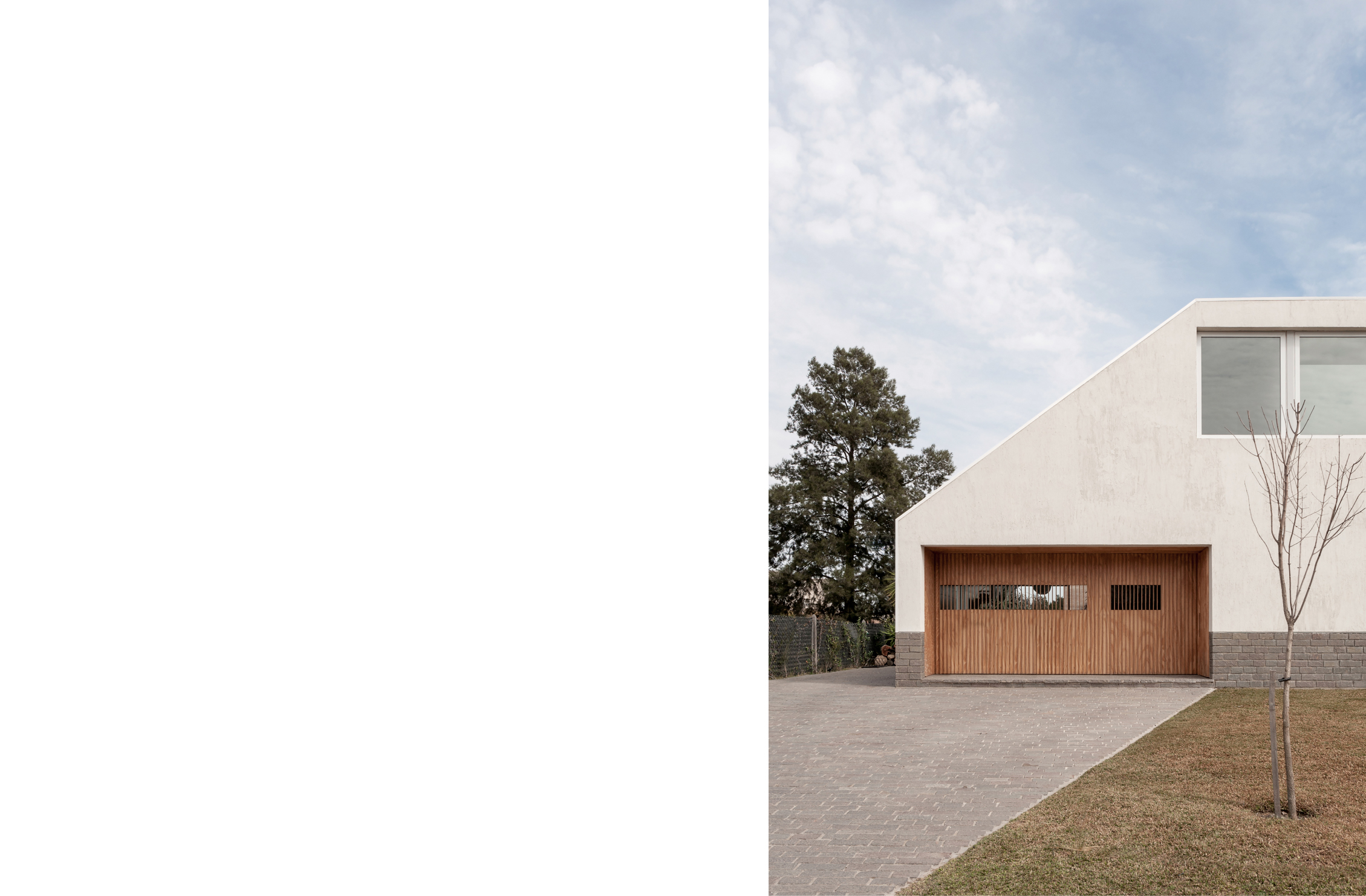
Casa en Las Afueras de Rosario, Santa Fe, Argentina. 2019.
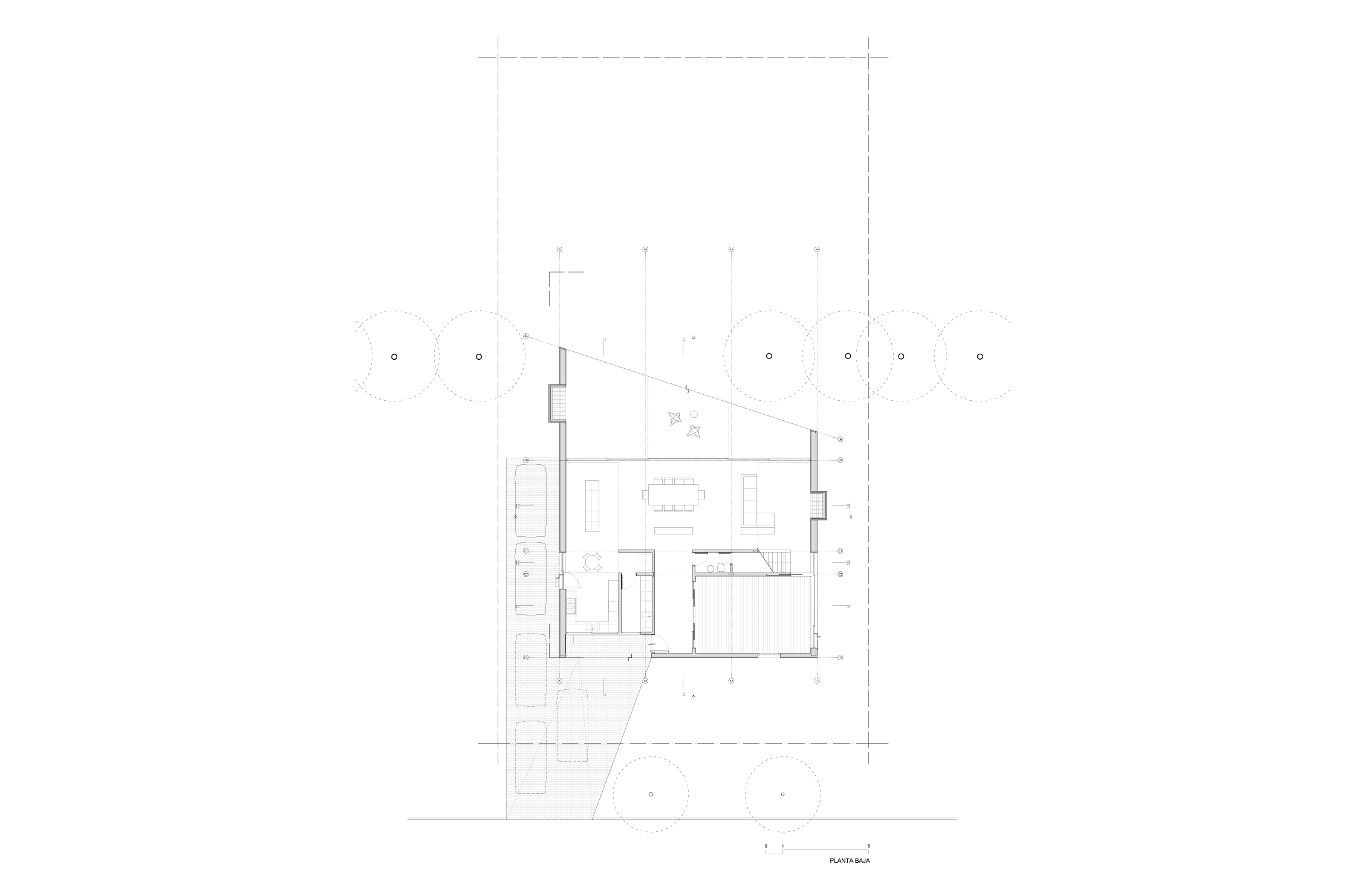
Casa en Las Afueras de Rosario, Santa Fe, Argentina. 2019.
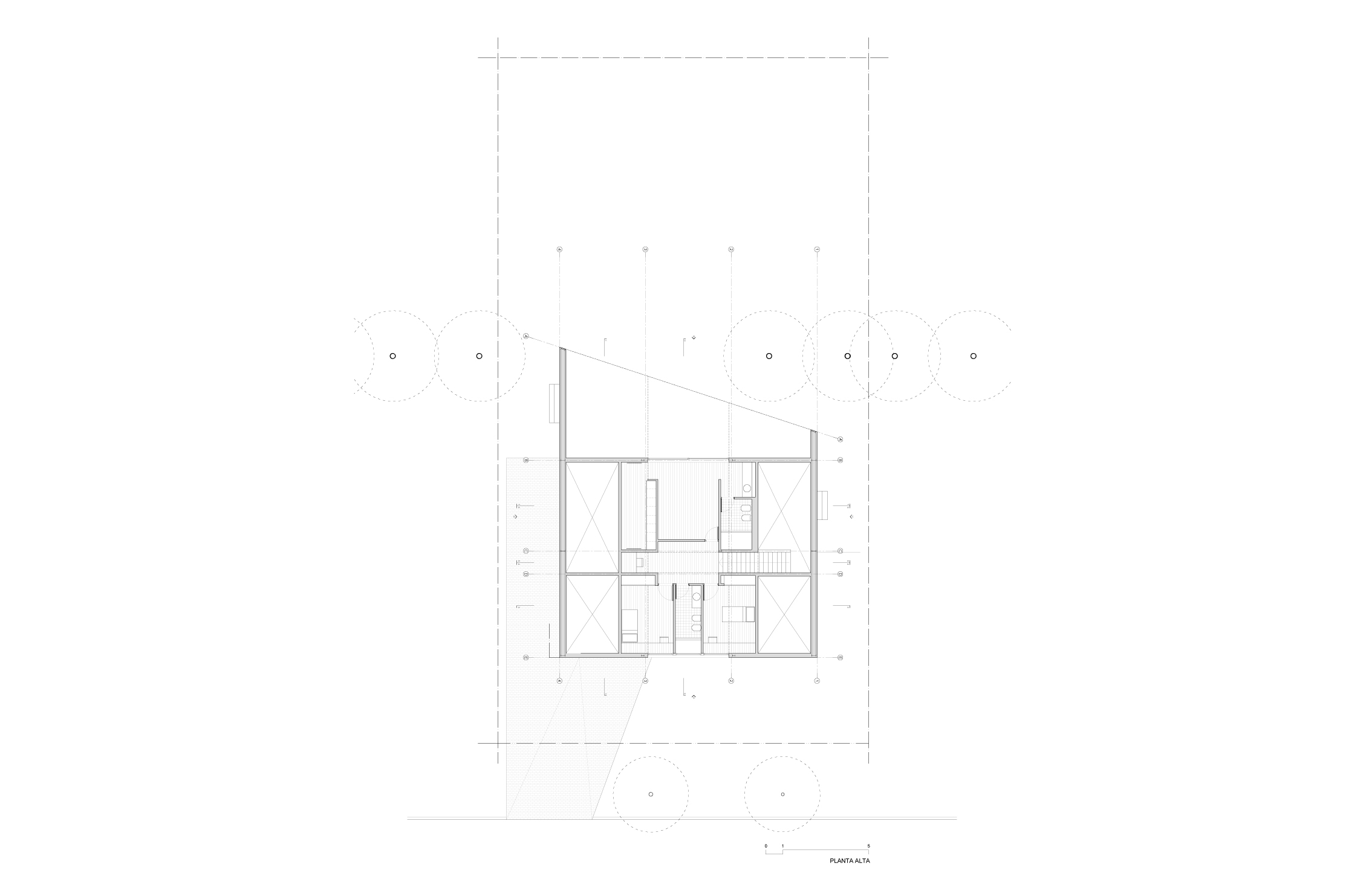
Casa en Las Afueras de Rosario, Santa Fe, Argentina. 2019.
Casa en Las Afueras de Rosario, Santa Fe, Argentina. 2019.
Casa en Las Afueras de Rosario, Santa Fe, Argentina. 2019.
Casa en Las Afueras de Rosario, Santa Fe, Argentina. 2019.
Casa en Las Afueras de Rosario, Santa Fe, Argentina. 2019.
Casa en Las Afueras de Rosario, Santa Fe, Argentina. 2019.
Casa en Las Afueras de Rosario, Santa Fe, Argentina. 2019.
Casa en Las Afueras de Rosario, Santa Fe, Argentina. 2019.
Casa en Las Afueras de Rosario, Santa Fe, Argentina. 2019.
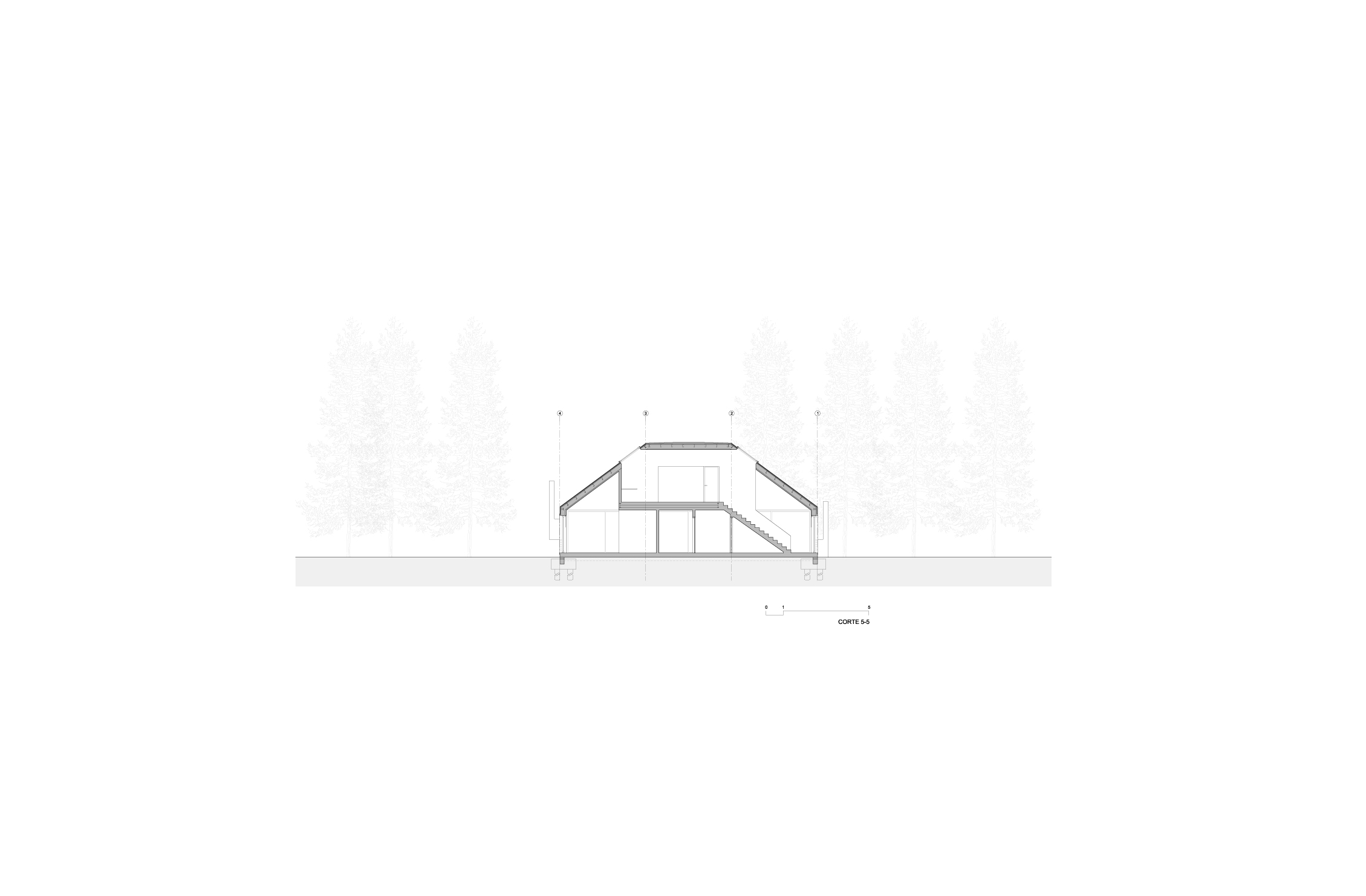
Casa en Las Afueras de Rosario, Santa Fe, Argentina. 2019.
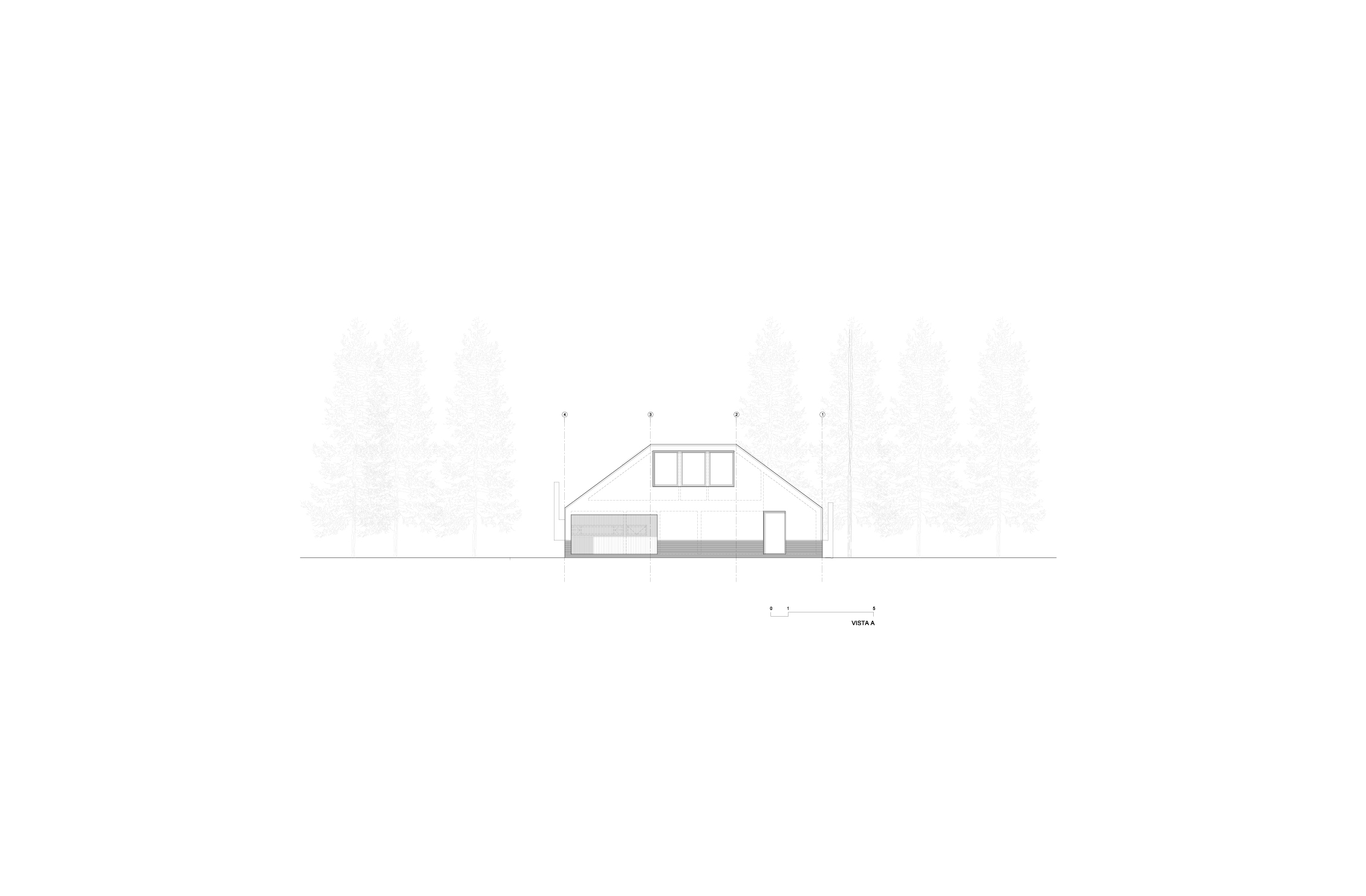
Casa en Las Afueras de Rosario, Santa Fe, Argentina. 2019.
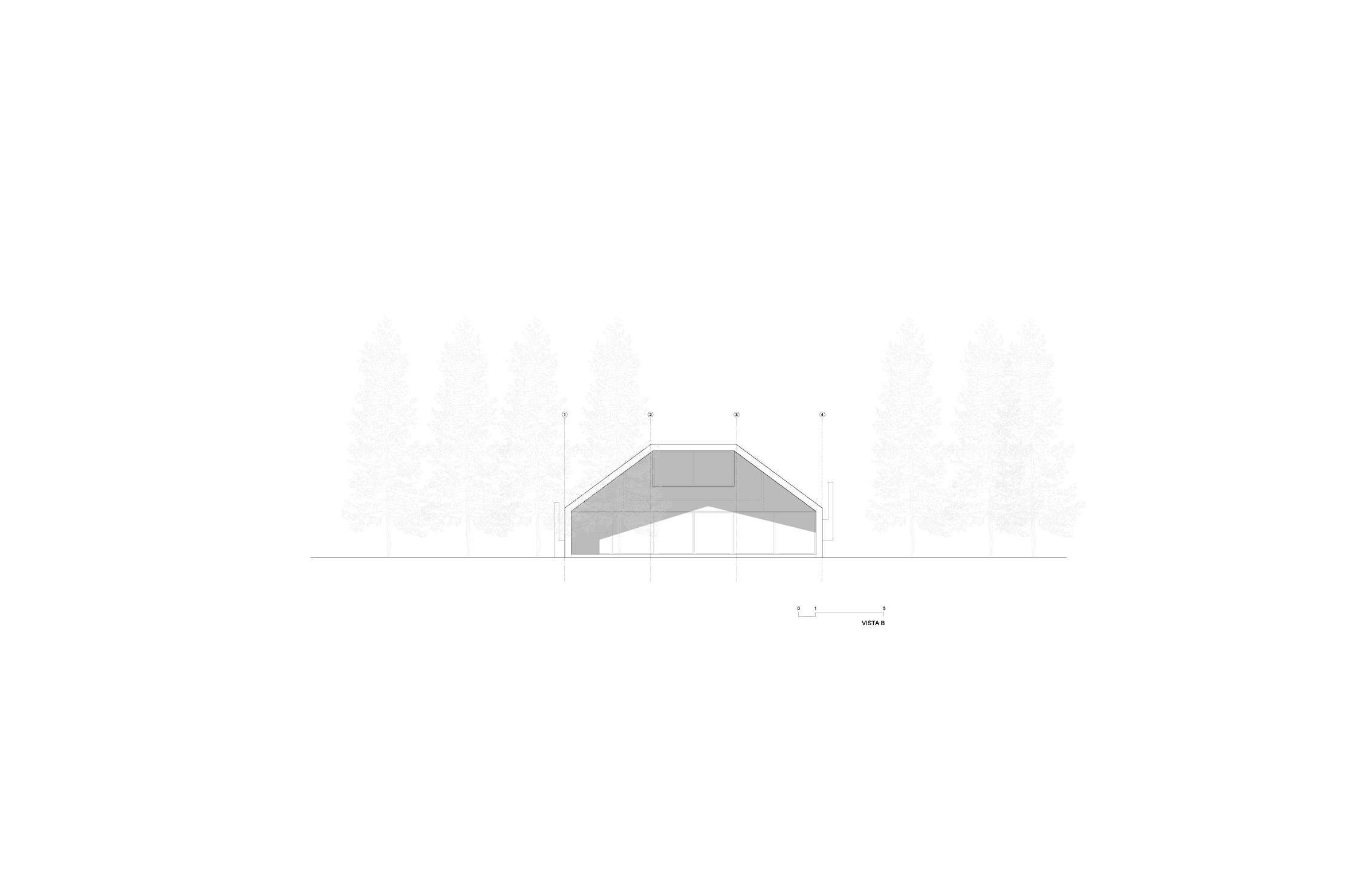
Casa en Las Afueras de Rosario, Santa Fe, Argentina. 2019.
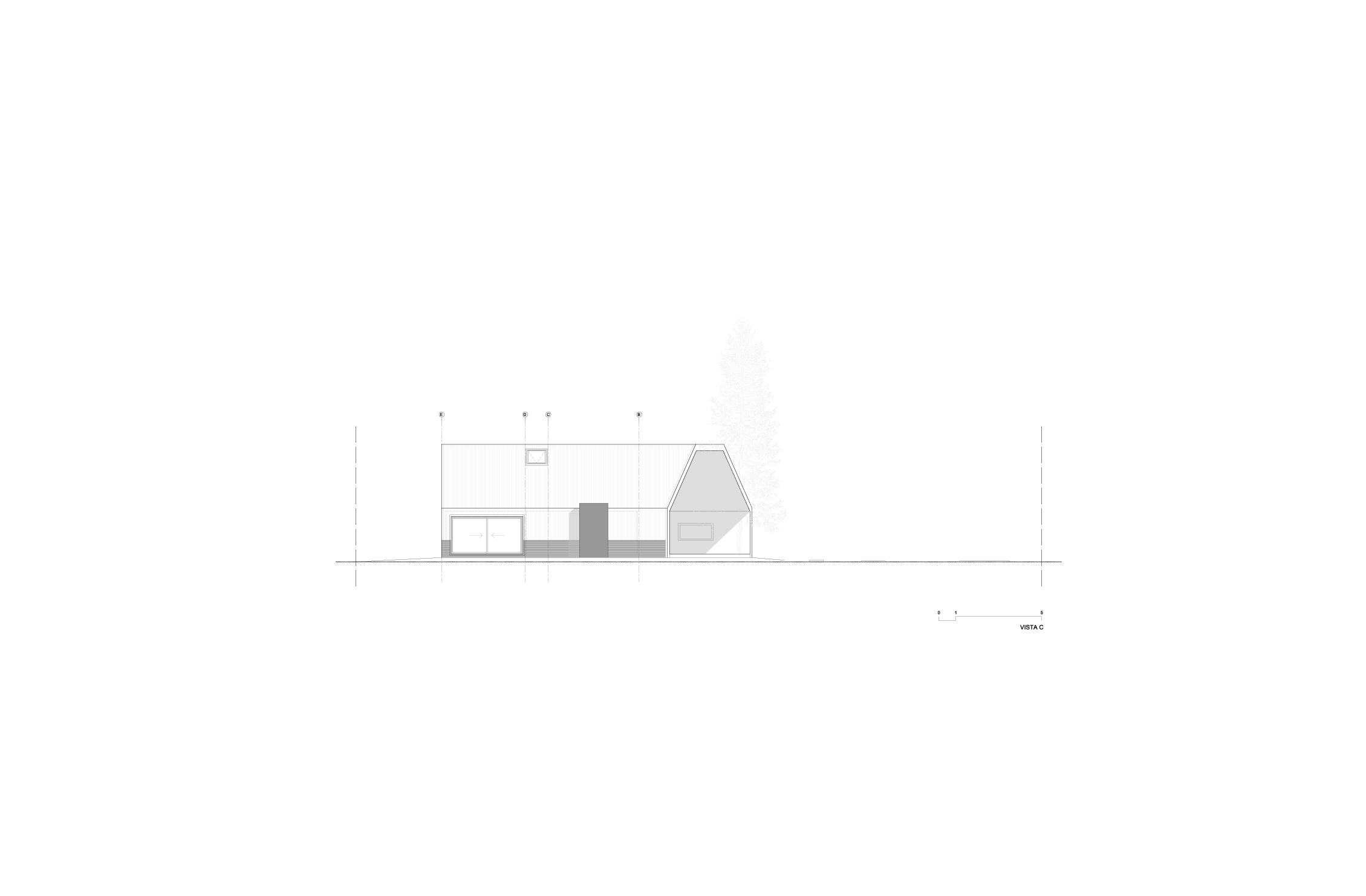
Casa en Las Afueras de Rosario, Santa Fe, Argentina. 2019.
Casa en Las Afueras de Rosario, Santa Fe, Argentina. 2019.
Casa en Las Afueras de Rosario, Santa Fe, Argentina. 2019.
Casa en Las Afueras de Rosario, Santa Fe, Argentina. 2019.

Casa en Las Afueras de Rosario, Santa Fe, Argentina. 2019.

Casa en Las Afueras de Rosario, Santa Fe, Argentina. 2019.

Casa en Las Afueras de Rosario, Santa Fe, Argentina. 2019.
Casa en Las Afueras de Rosario, Santa Fe, Argentina. 2019.
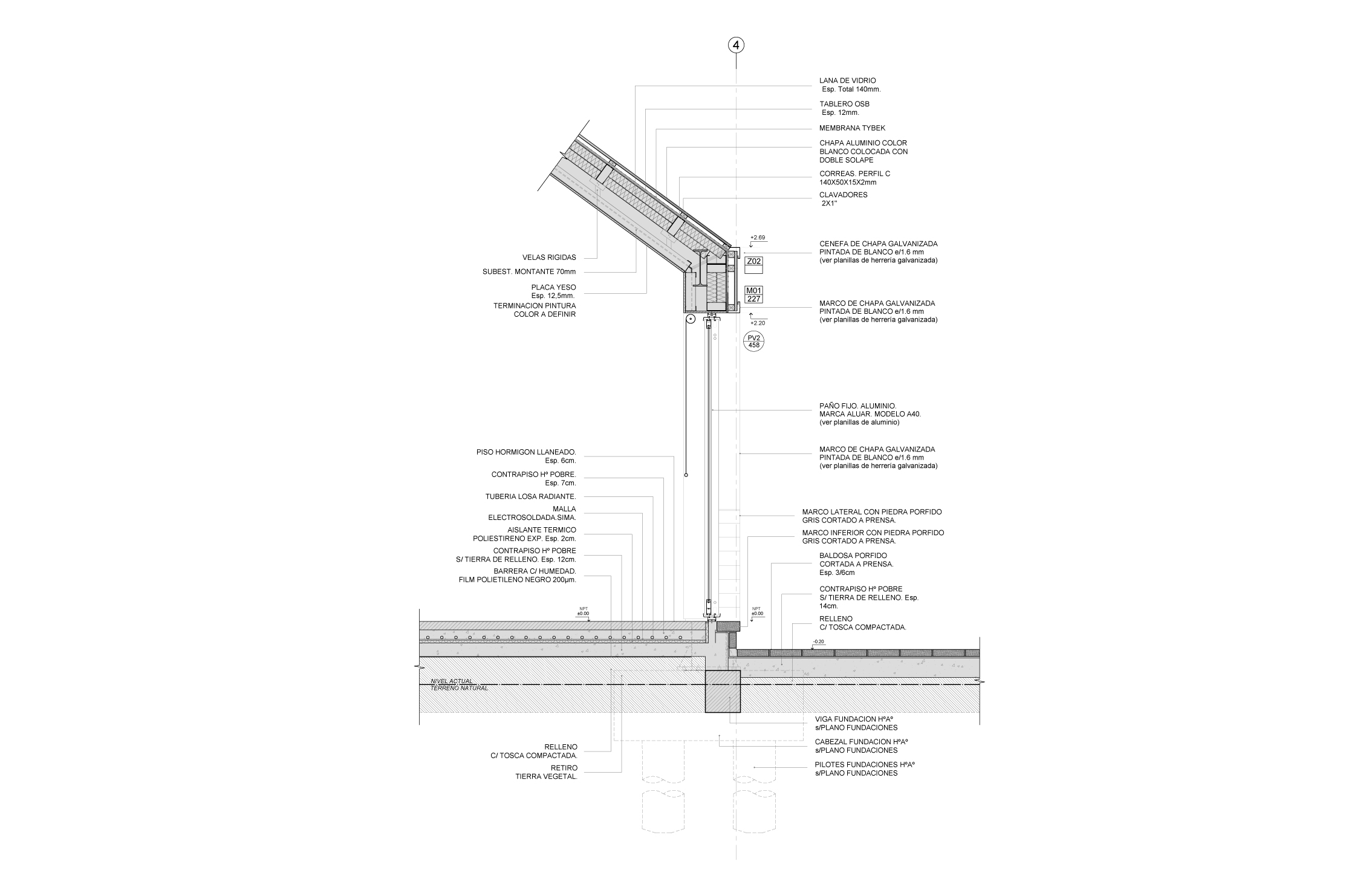
Casa en Palos Verdes. Rosario, Santa Fe. 2019
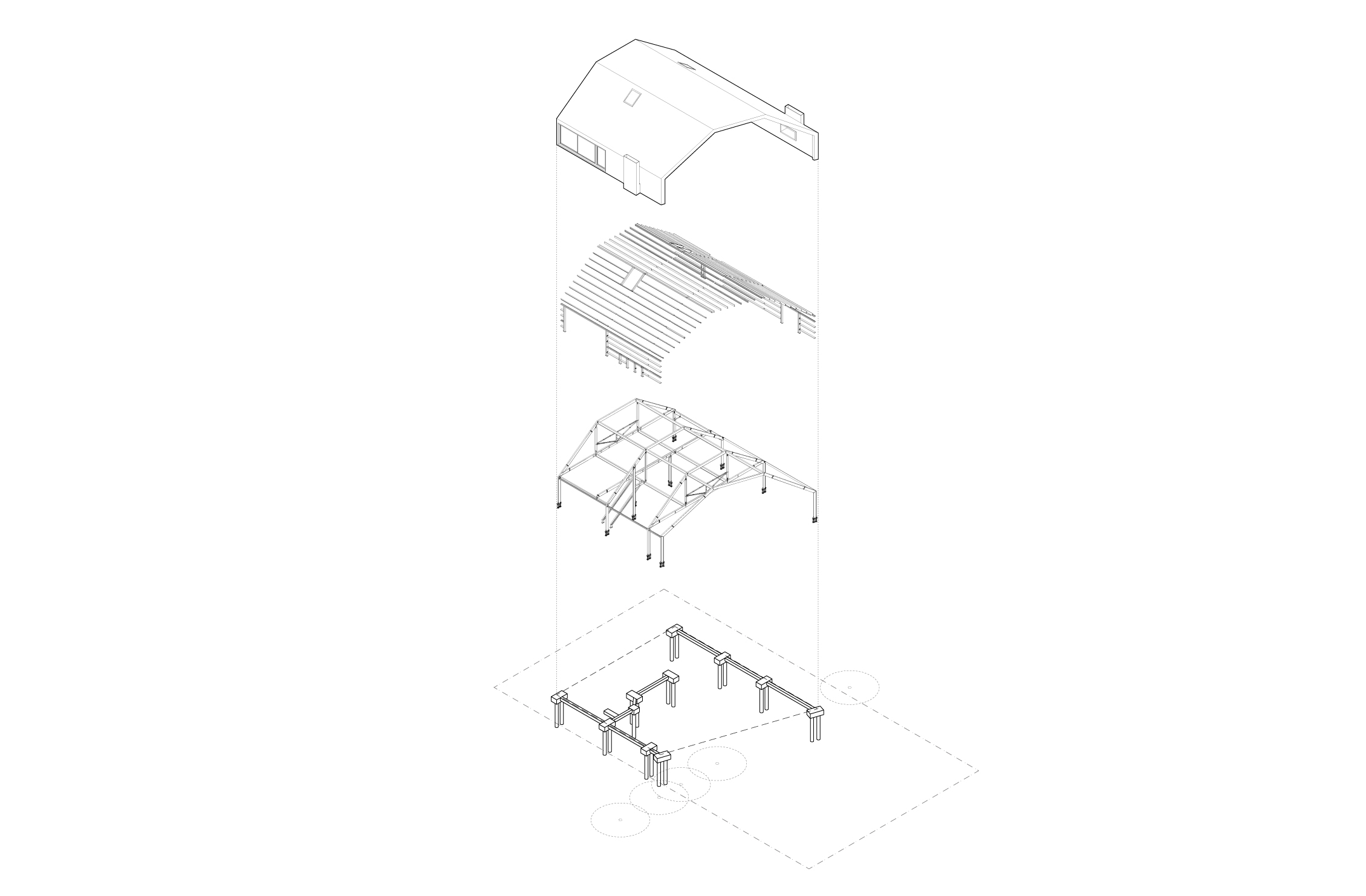
Casa en Las Afueras de Rosario, Santa Fe, Argentina. 2019.
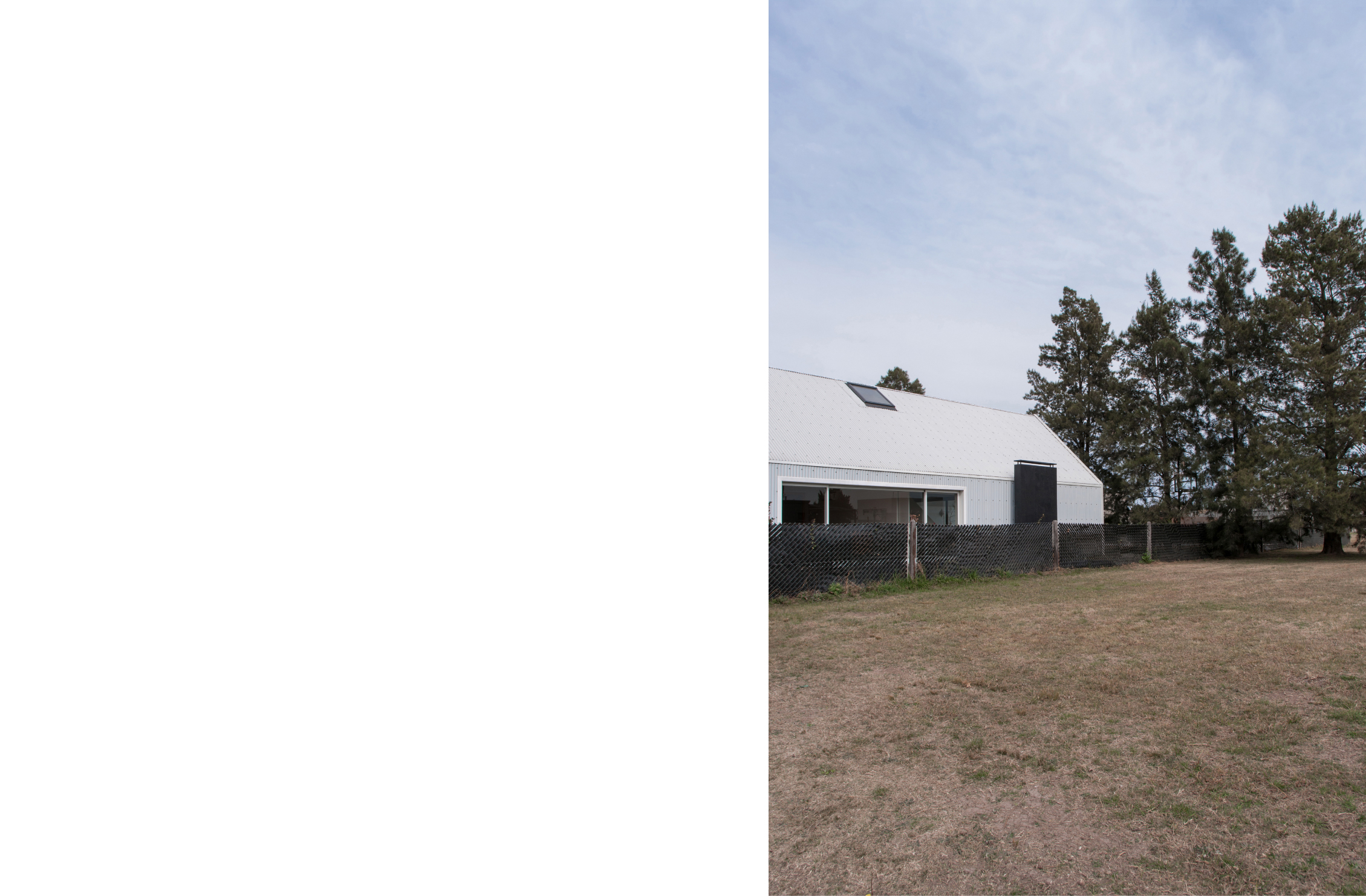
Casa en Palos Verdes. Rosario, Santa Fe. 2019
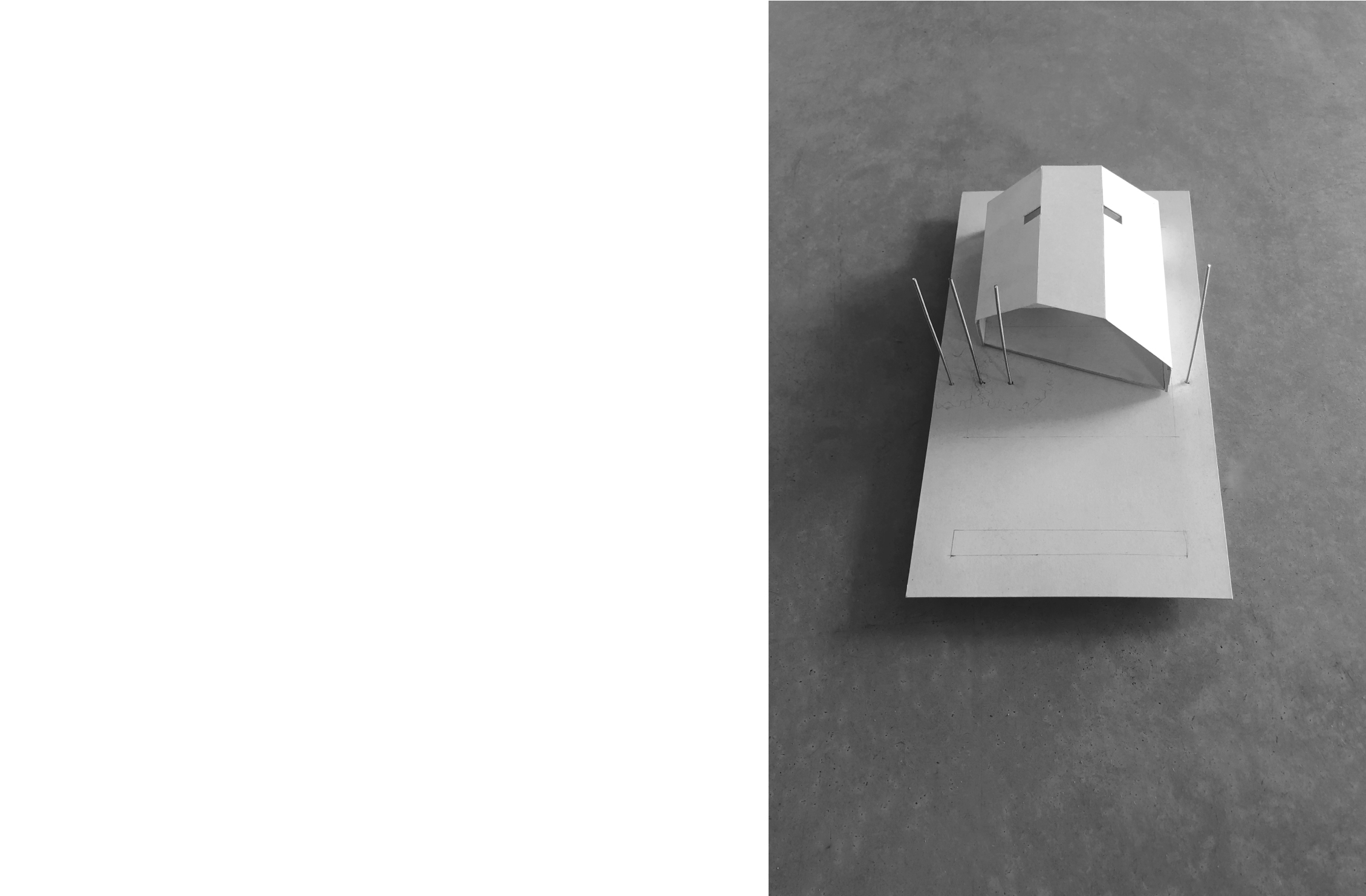
Casa en Las Afueras de Rosario, Santa Fe, Argentina. 2019.
TEXT
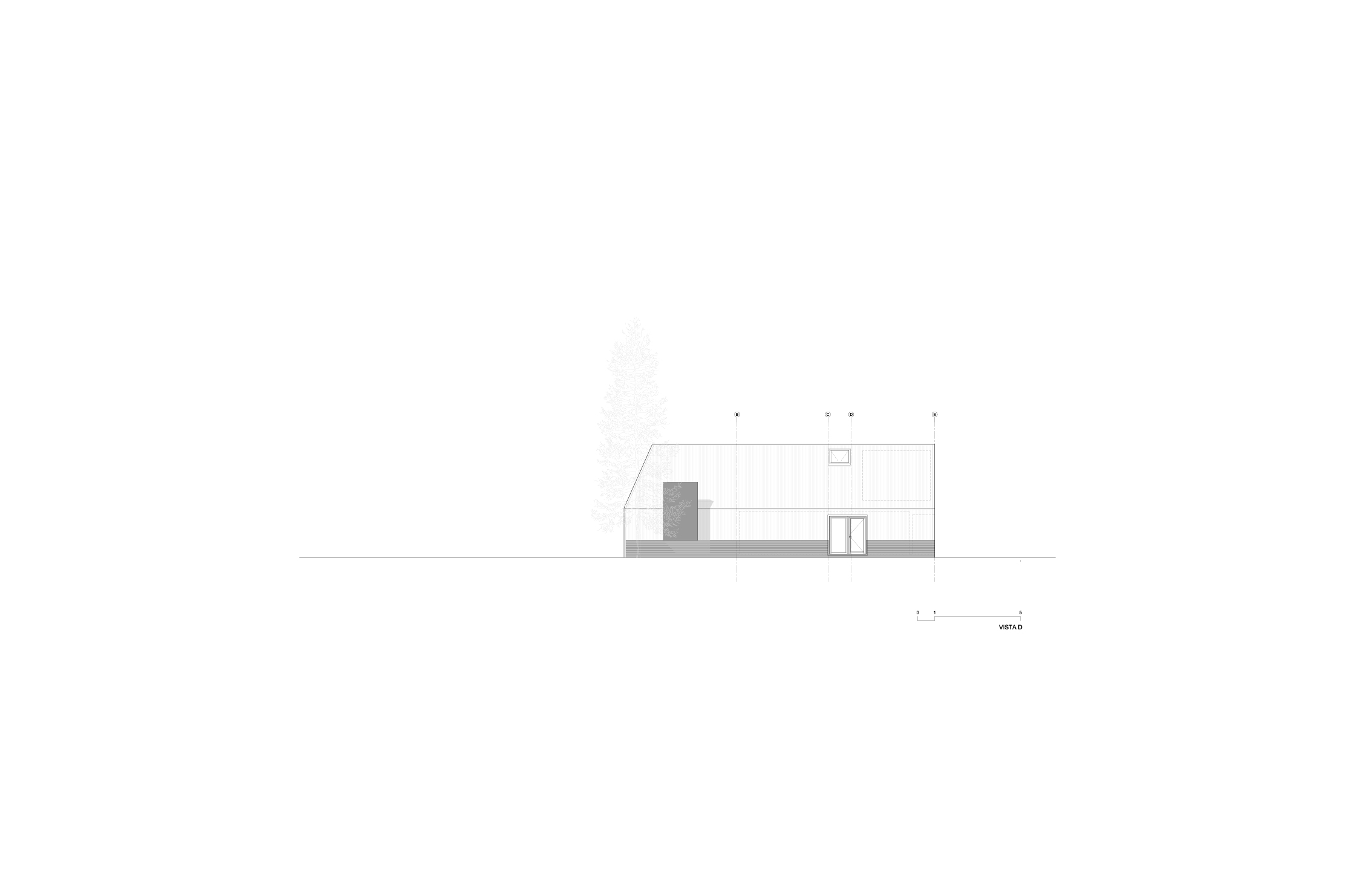
In the center of Rosario, the natural landscape appears as the absence of the city. It manifests in vacant lots or in the green voids within the built mass. As one moves outward toward the periphery, the Pampas landscape gradually emerges. On the outskirts, the gaps between buildings grow wider until architecture becomes a series of isolated objects set within the territory.
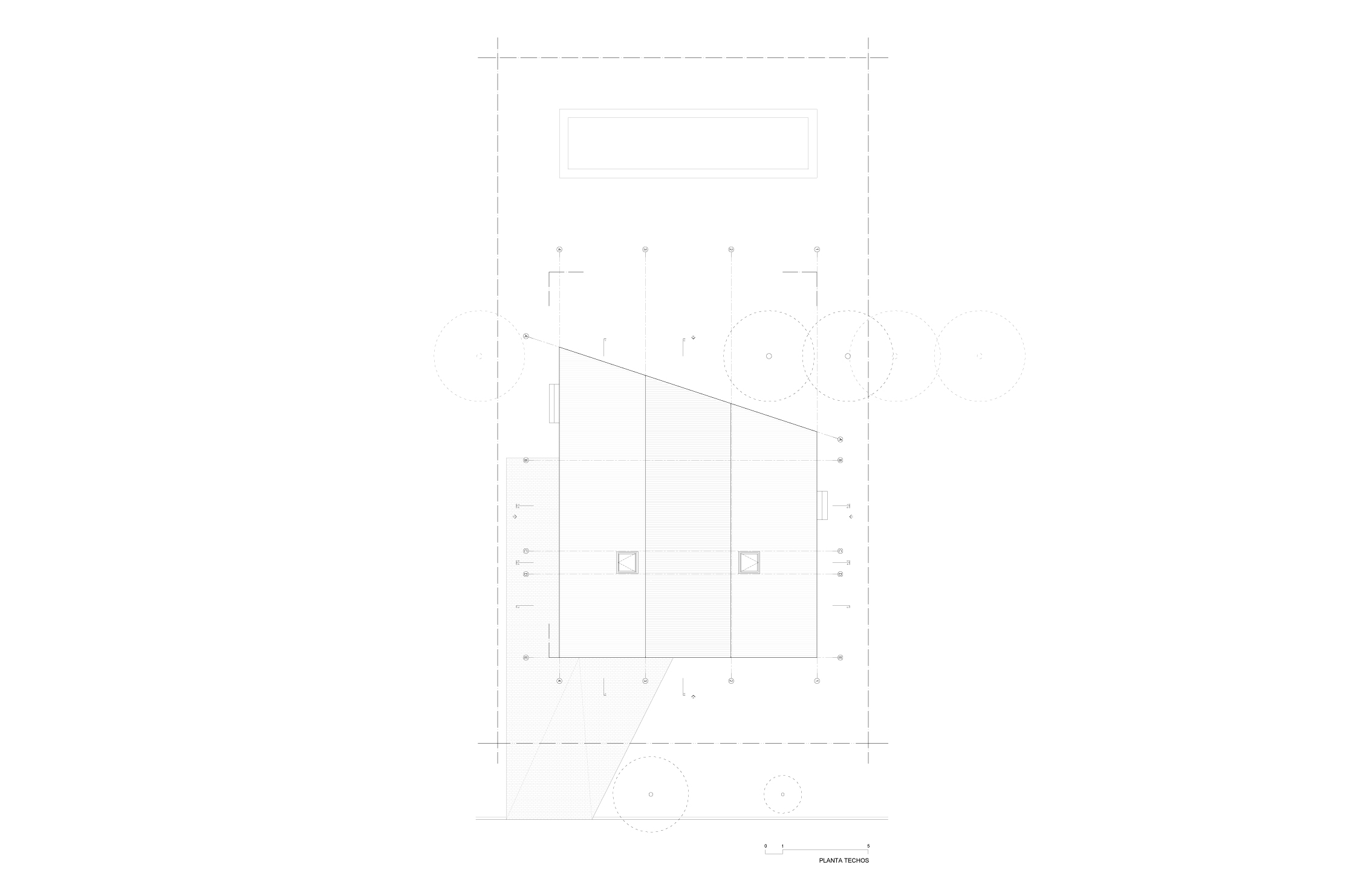
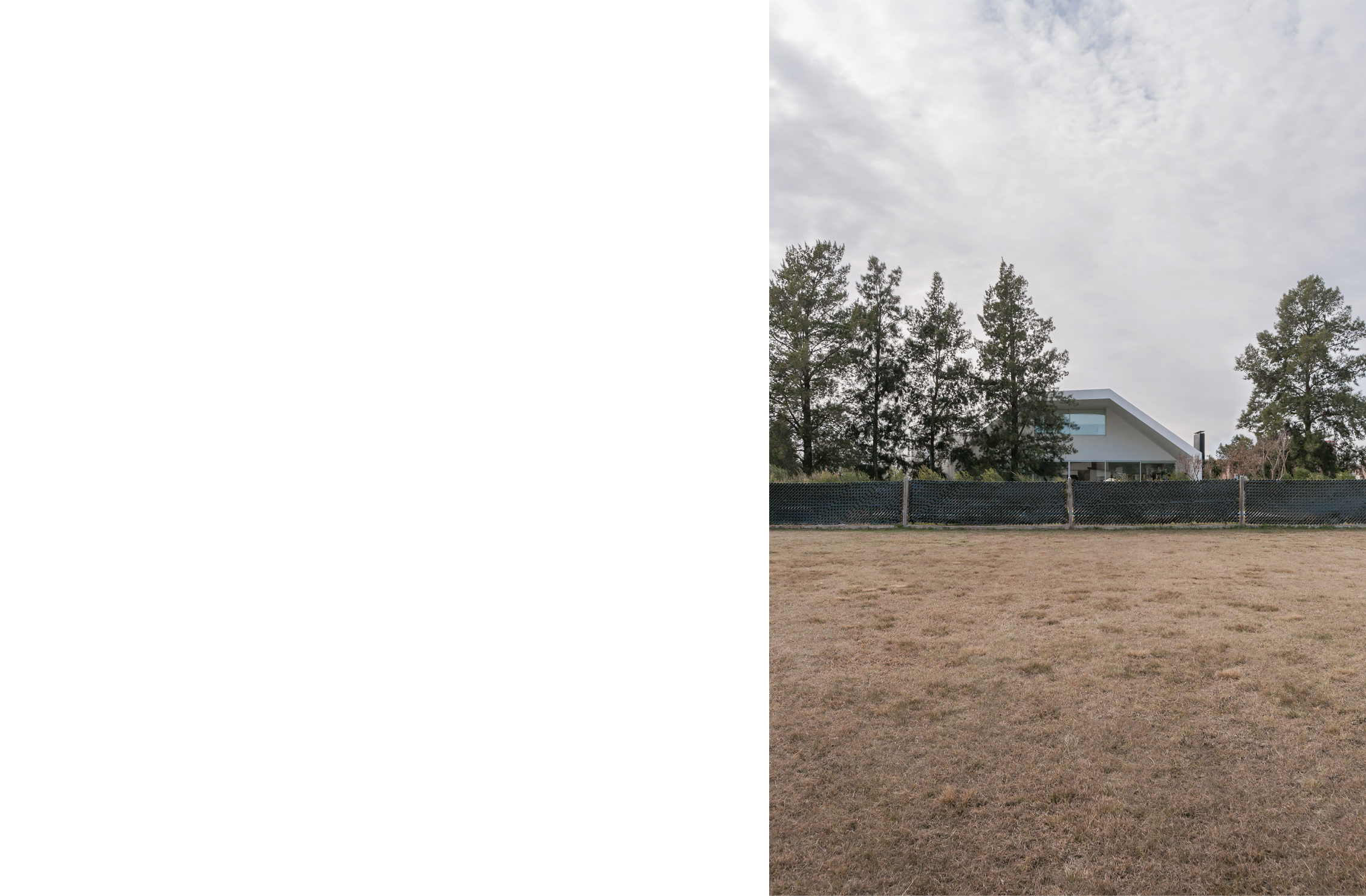
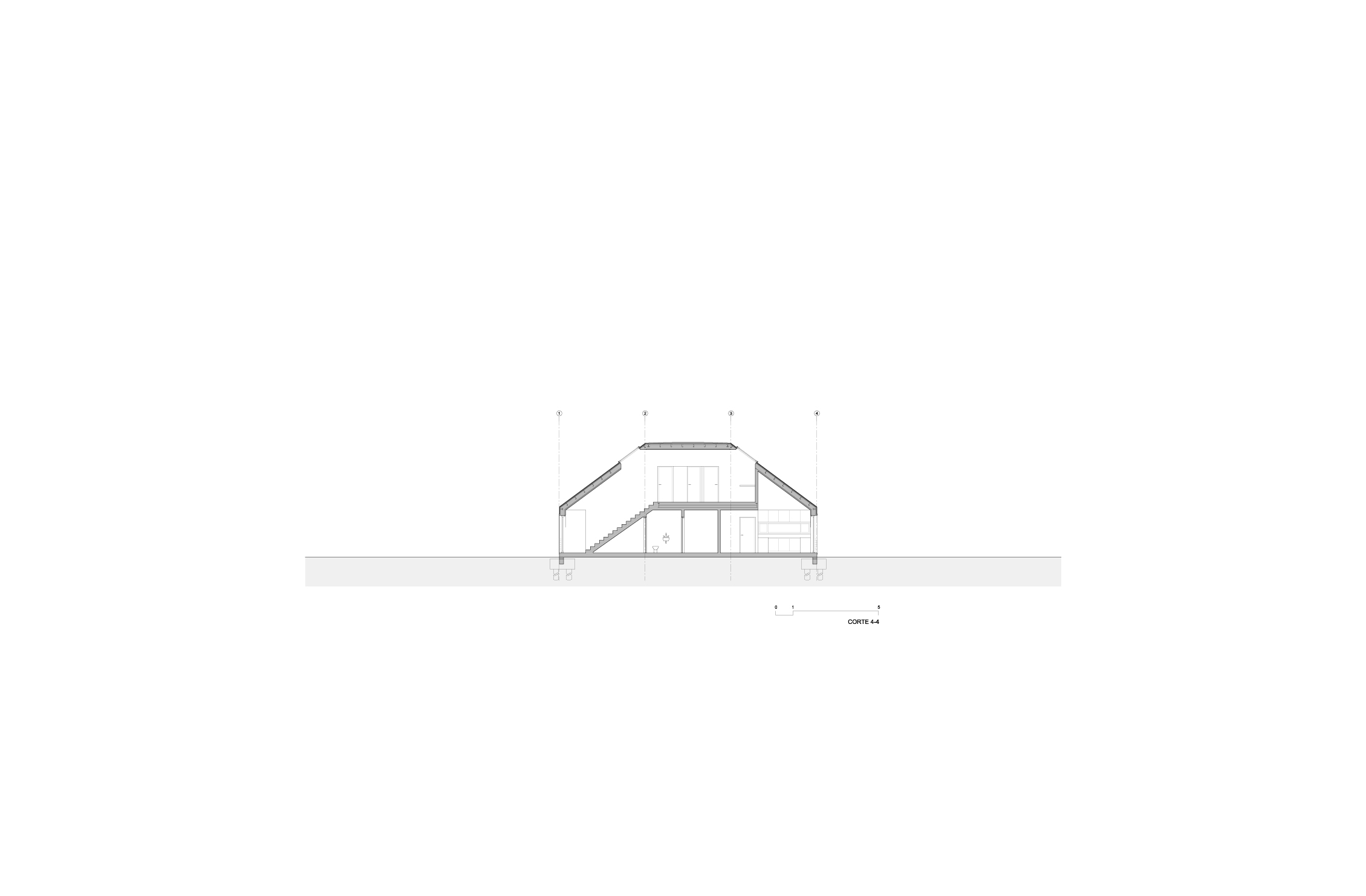
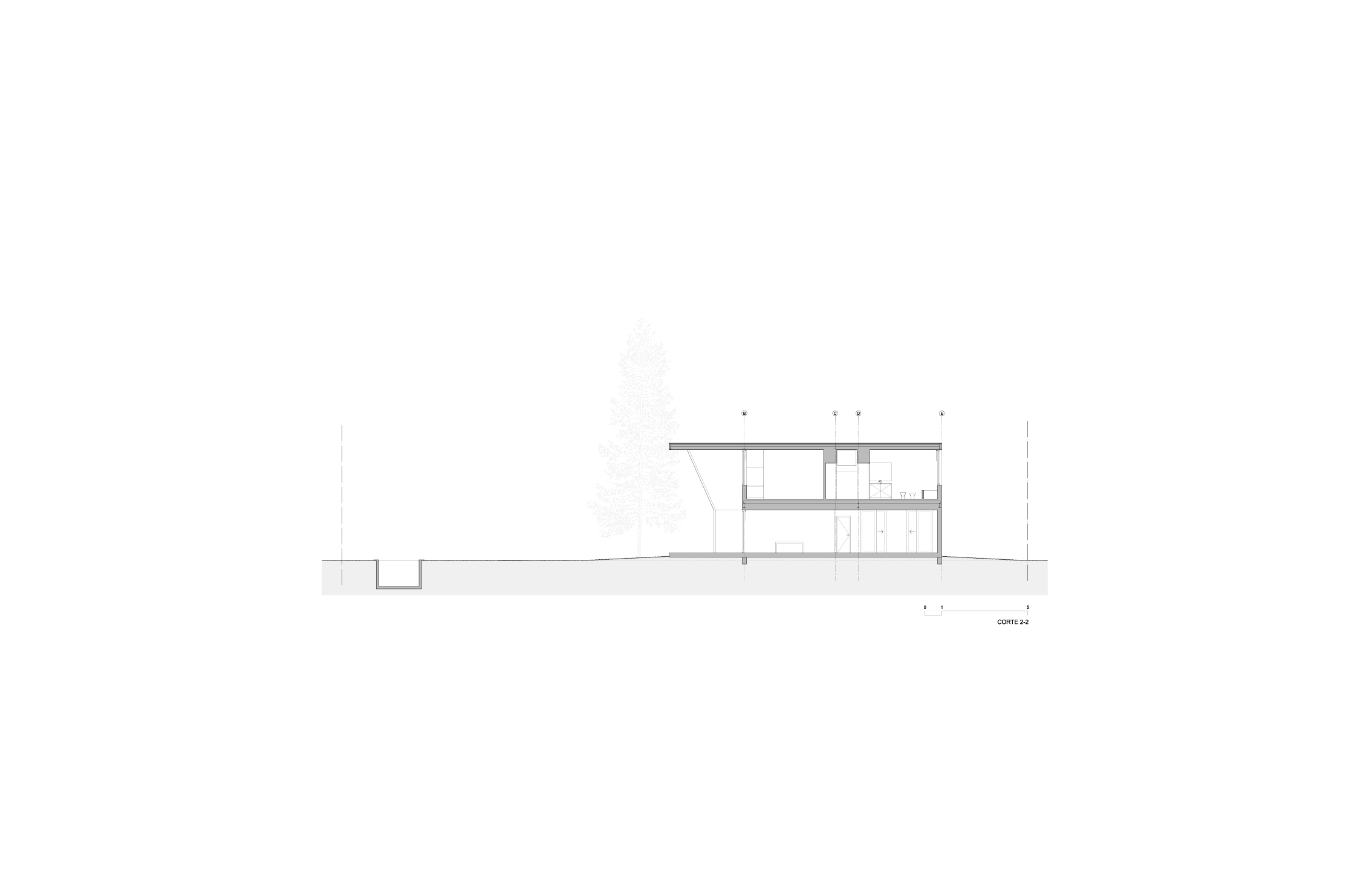
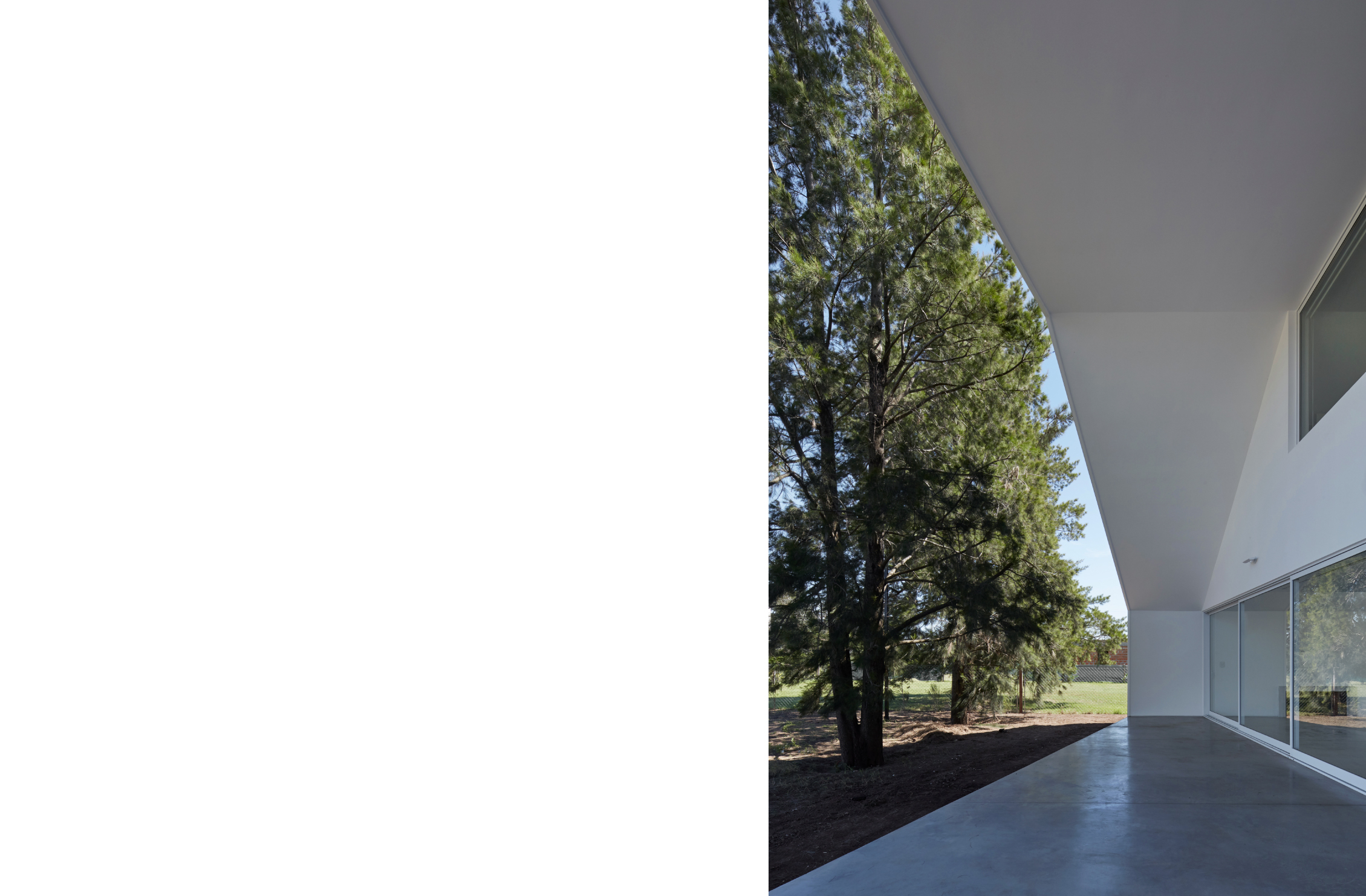
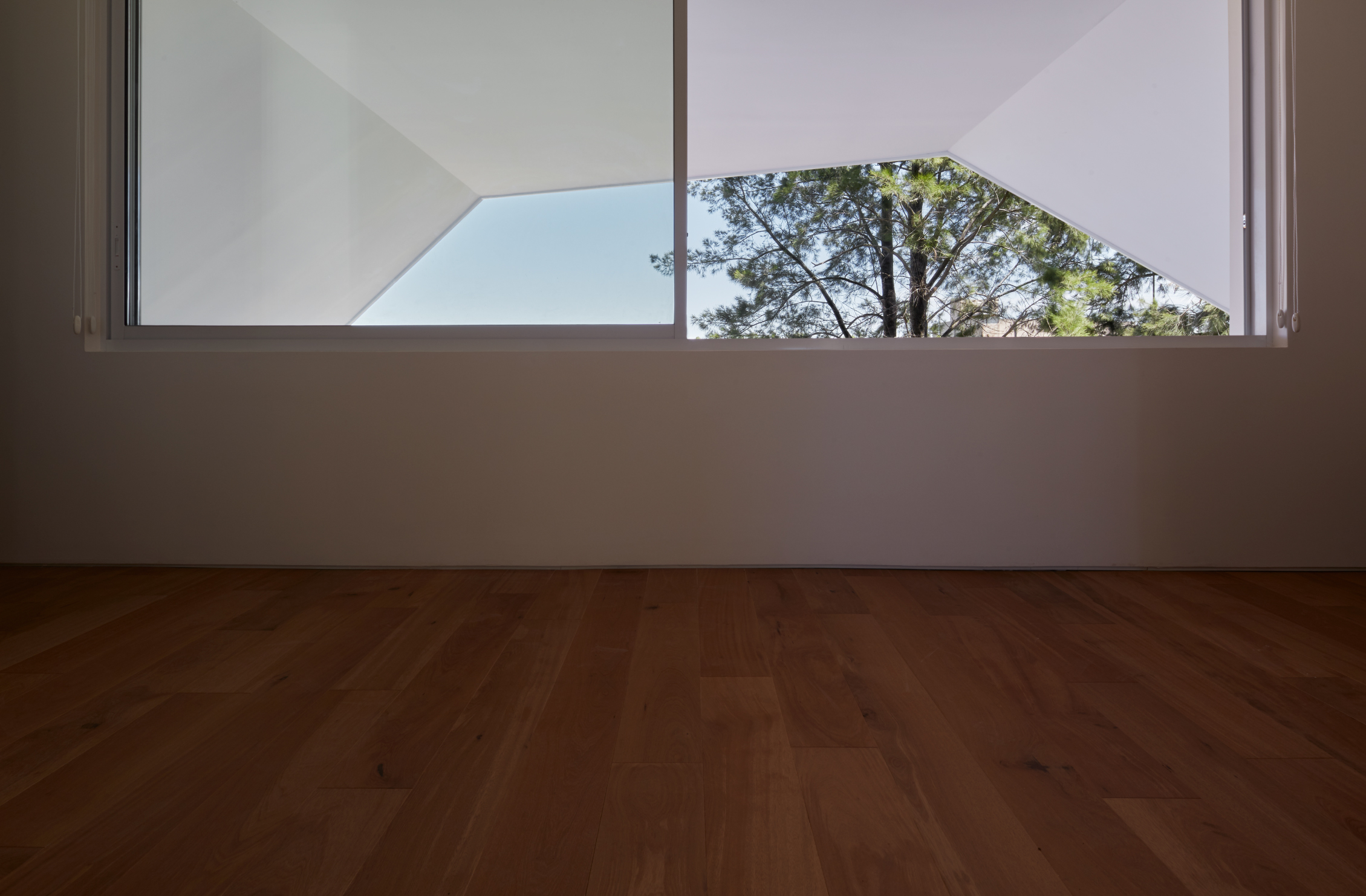
In recent decades, areas of the periphery that were traditionally productive have given way to subdivisions for residential use. This house occupies one of them, located in the northwest zone of Rosario, at the boundary between the city and the countryside. An old row of casuarina trees runs from north to south across the entire site, cutting through the lot and dividing it into a front and a rear zone. These two open spaces are nonetheless connected through a gap in this line, produced by the absence of several trees. This condition led to the initial strategy of placing a compact house in the first half of the plot, leaving the second half open.
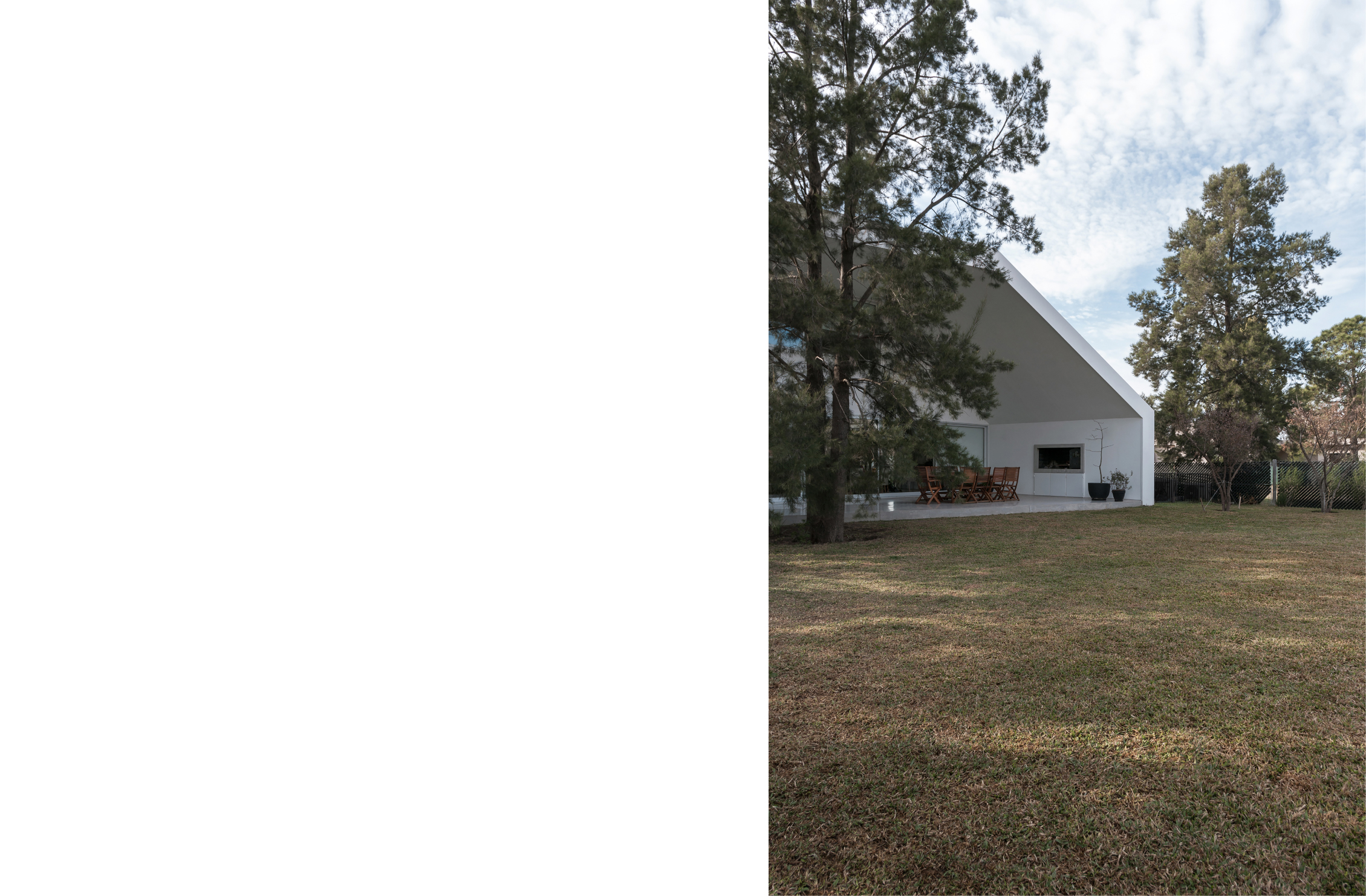
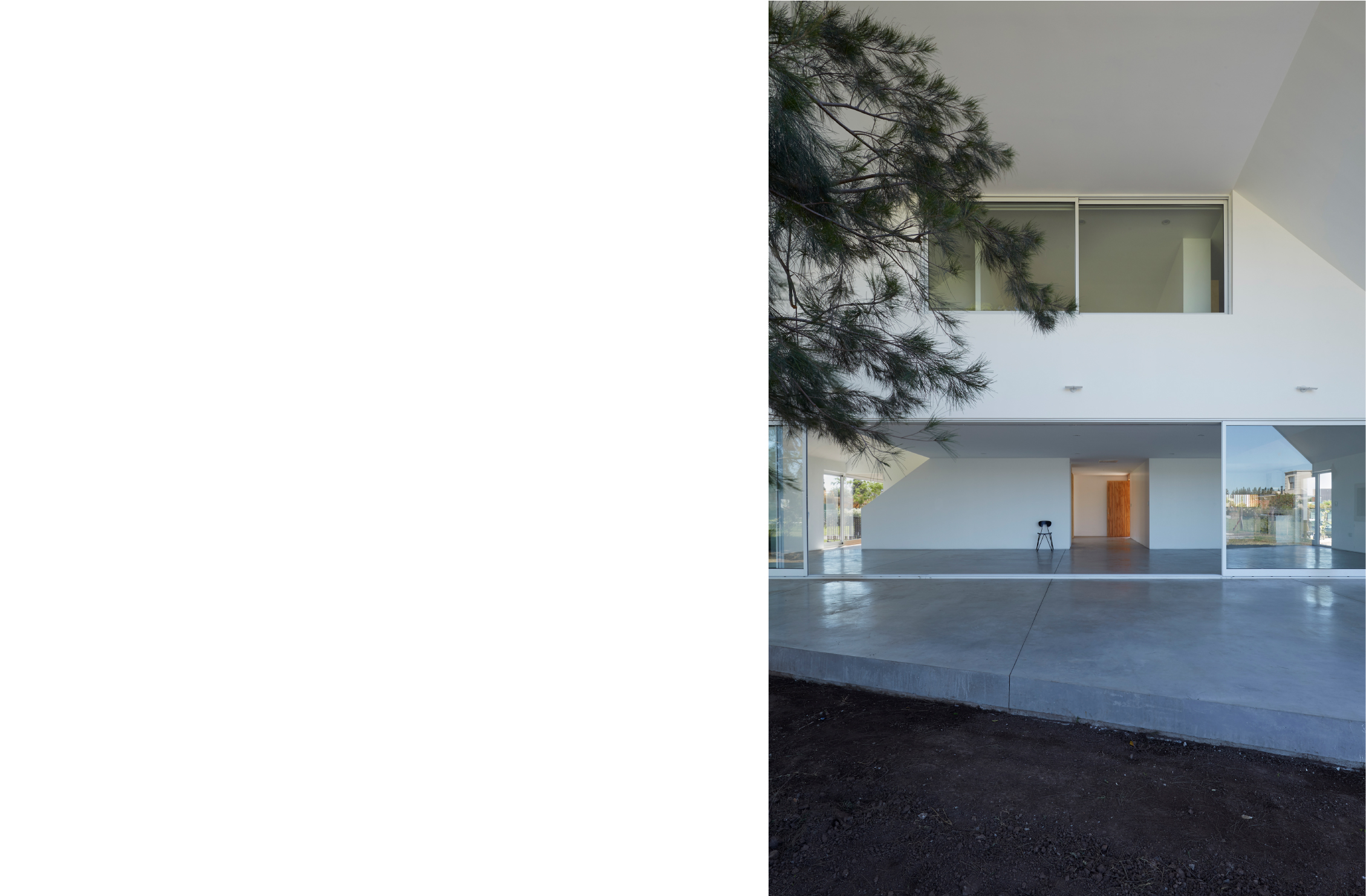
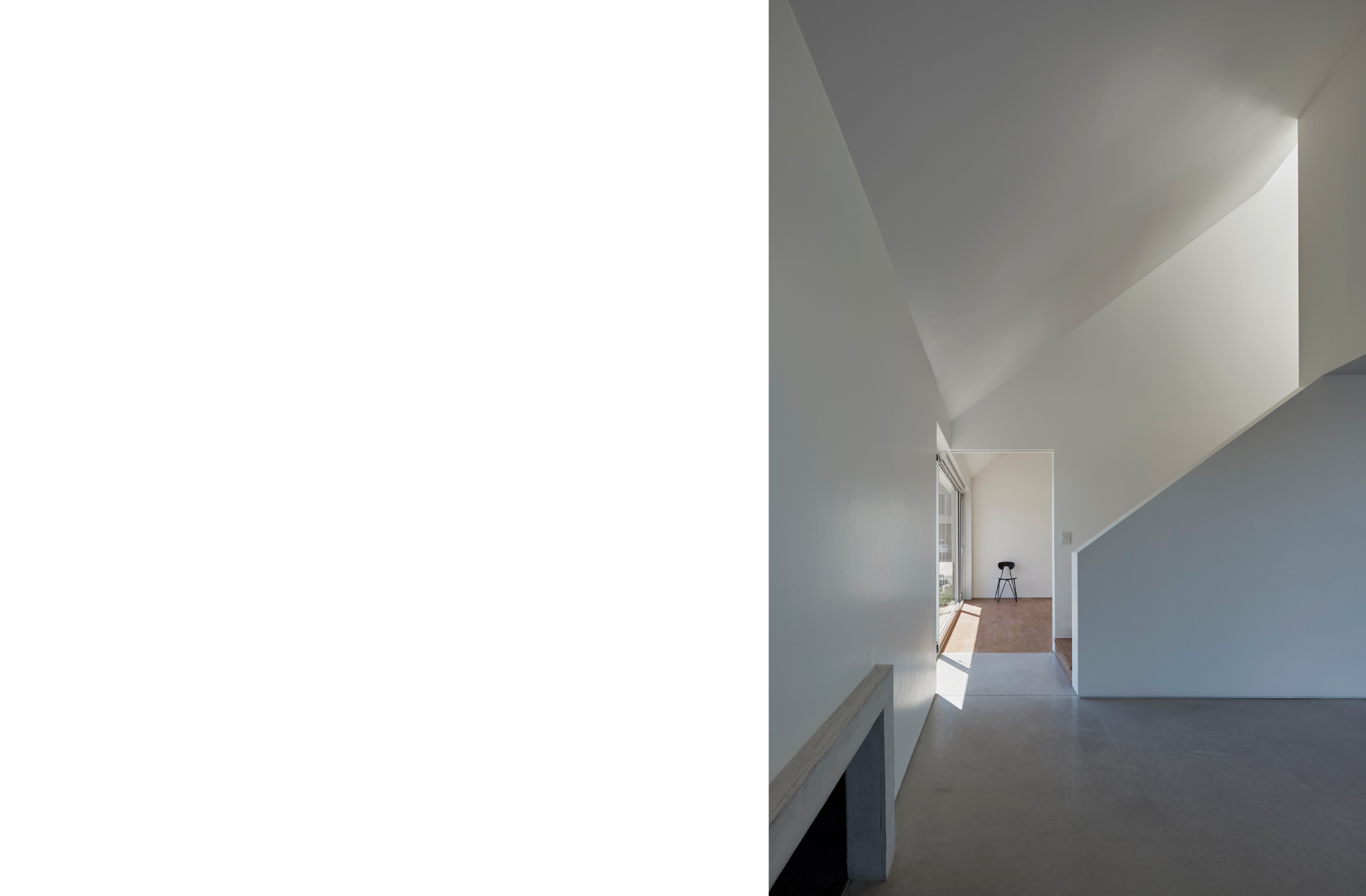
The formal and material logic of the house relates to the metal constructions found in the Pampas landscape. A series of frames supports a large, lightweight roof that shelters all activities beneath it. The upper level contains the bedrooms, which are structurally suspended from the frames, allowing the ground floor to remain completely open to the exterior.
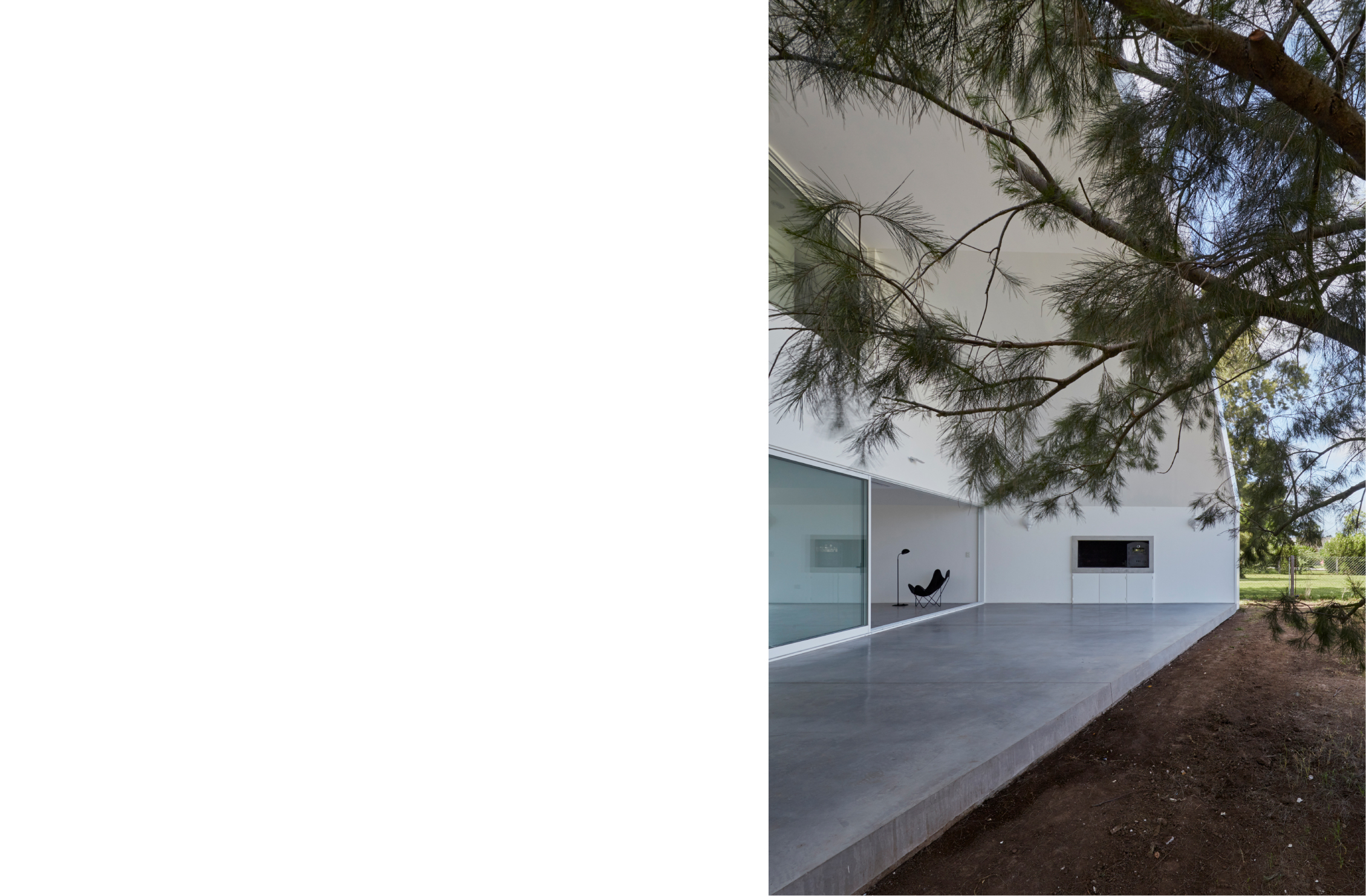
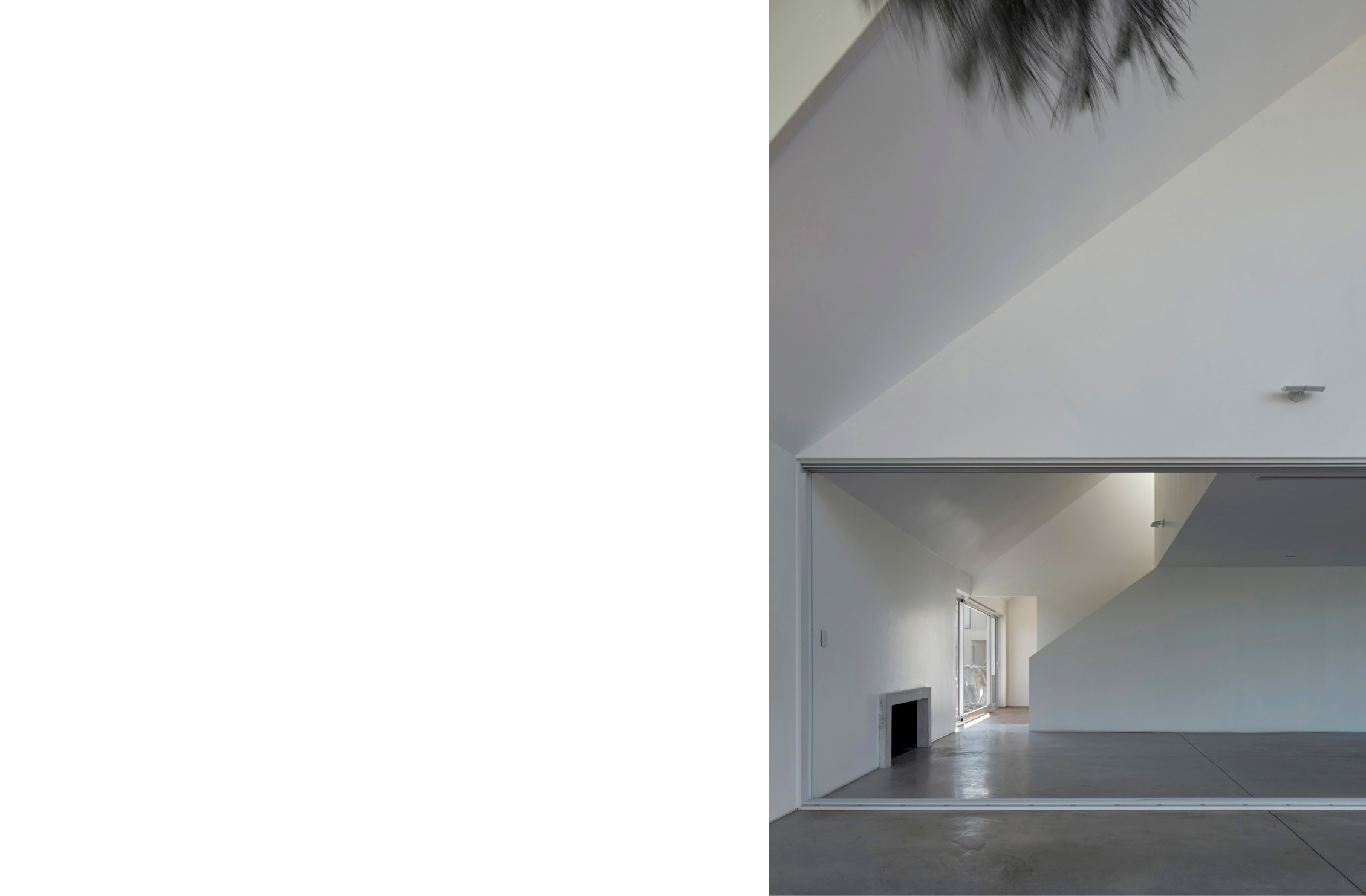
Toward the back of the lot, a continuous gallery connects the house with the outdoors, and through its oblique section, it navigates the existing trees, incorporating them as an essential part of its character. The trees and the large elevated gallery—scaled to the height of the casuarinas—together define the main space of the house. It is a large, neutral everyday living area that—along with the entire ground floor—is experienced somewhere between inside and outside, and can be used freely as a dining area, living space, barbecue area, play zone, and more. It acts as the physical link between everyday domestic life and the open space beyond.
Throughout its development, both the design and construction of the project raised questions about the character of architecture in these intermediate territories—the peripheries of our Pampas cities—which are at once both countryside and city. Places where flat roofs coexist with pitched ones, walls with sheet metal, the utilitarian with the residential, the specific with the generic. Between the vast and the intimate.
DISTINCTIONS
House on the Outskirts of Rosario, Argentina. Annual Built Work Award, Colegio de Arquitectos de la Provincia de Santa Fe (CAPSF), 2020
TEAM
Diego Arraigada, Luciano Navarini (Director), Sofia Rothman, Pablo Gamba, Florencia Meucci, Mercedes Paz, Francisco Falabella, Florencia Sobrero, Lucrecia Rossi.
CONSULTANTS
Engineering: Tegga
CONSTRUCTION COMPANY
Mahón
PHOTOS
Gustavo Frittegotto, Luciano Navarini