TEXT

To invent a genealogy. To traverse the abyss between the scientific and the religious. To turn every small act of life into a biblical event. The Carcarañá furrows the earth, and within that furrow time settles into sediment. As in a reliquary, memories are kept inside the ravines, standing in contrast to the river’s constant flow.

It would seem that within that current, in the course that first pours its waters into the Coronda and later into the Paraná, small stories come to a halt, finding shelter there until some explorer dares to retrace them. José Guevara and Thomas Falkner, both Jesuits, were the first to discover large fossils near Carcarañá.

They attributed those bones, however, to human giants who were believed to have inhabited these lands before the Great Flood: “The giants, formidable towers of flesh, whose very name alone inspires terror and wonder among people, command our attention above all things. None are found at present, yet ancient vestiges, uncovered from time to time along the Carcarañá and elsewhere, prove that they existed in ages past.”

American exuberance overwhelms the European gaze. For Falkner. an English physician trained in the flourishing science of his country, taxonomy was not enough to comprehend a landscape that persistently exceeded him. What biblical scenes might this scientist-turned-Jesuit have imagined? What stories does this river keep?

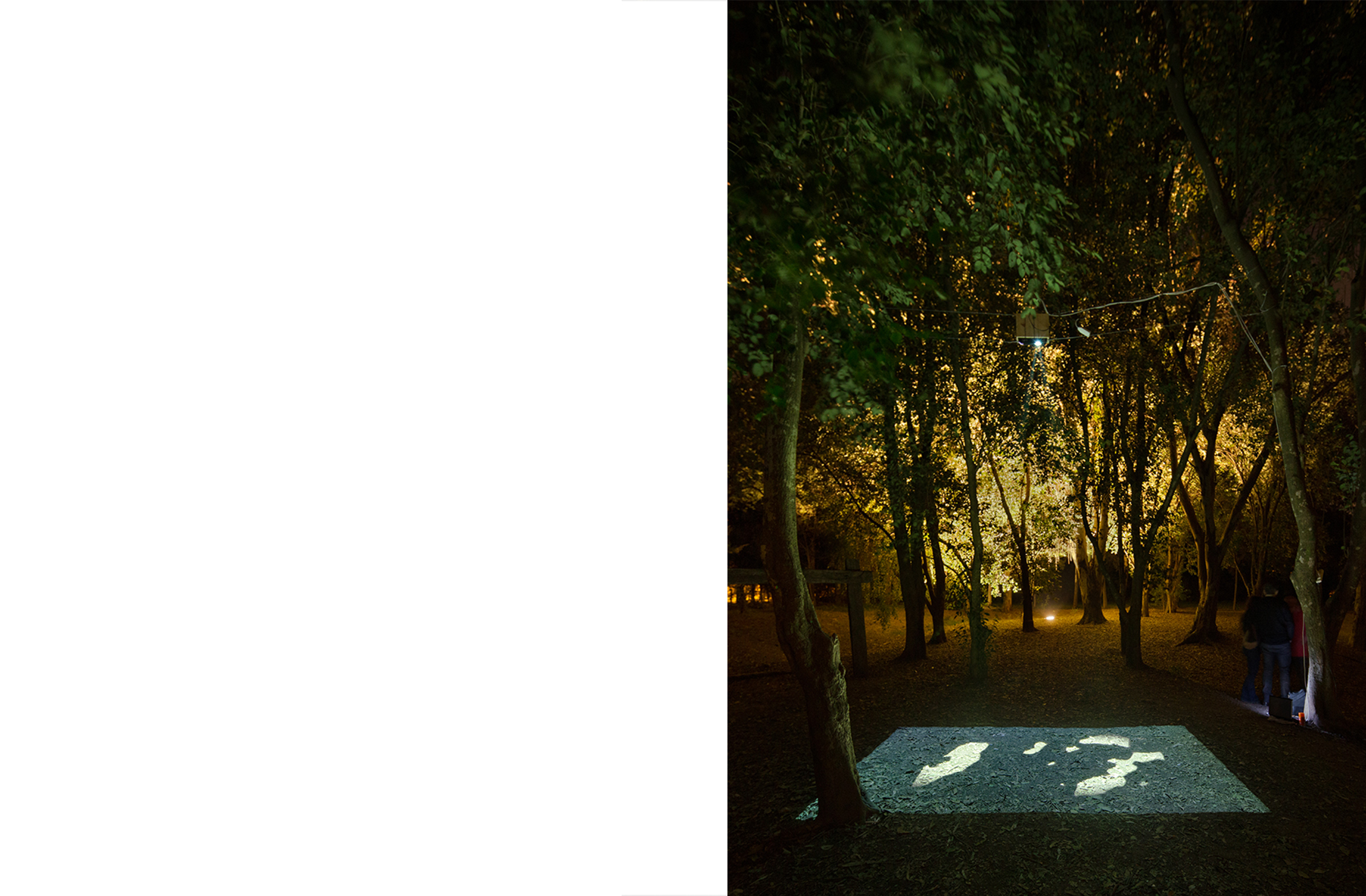
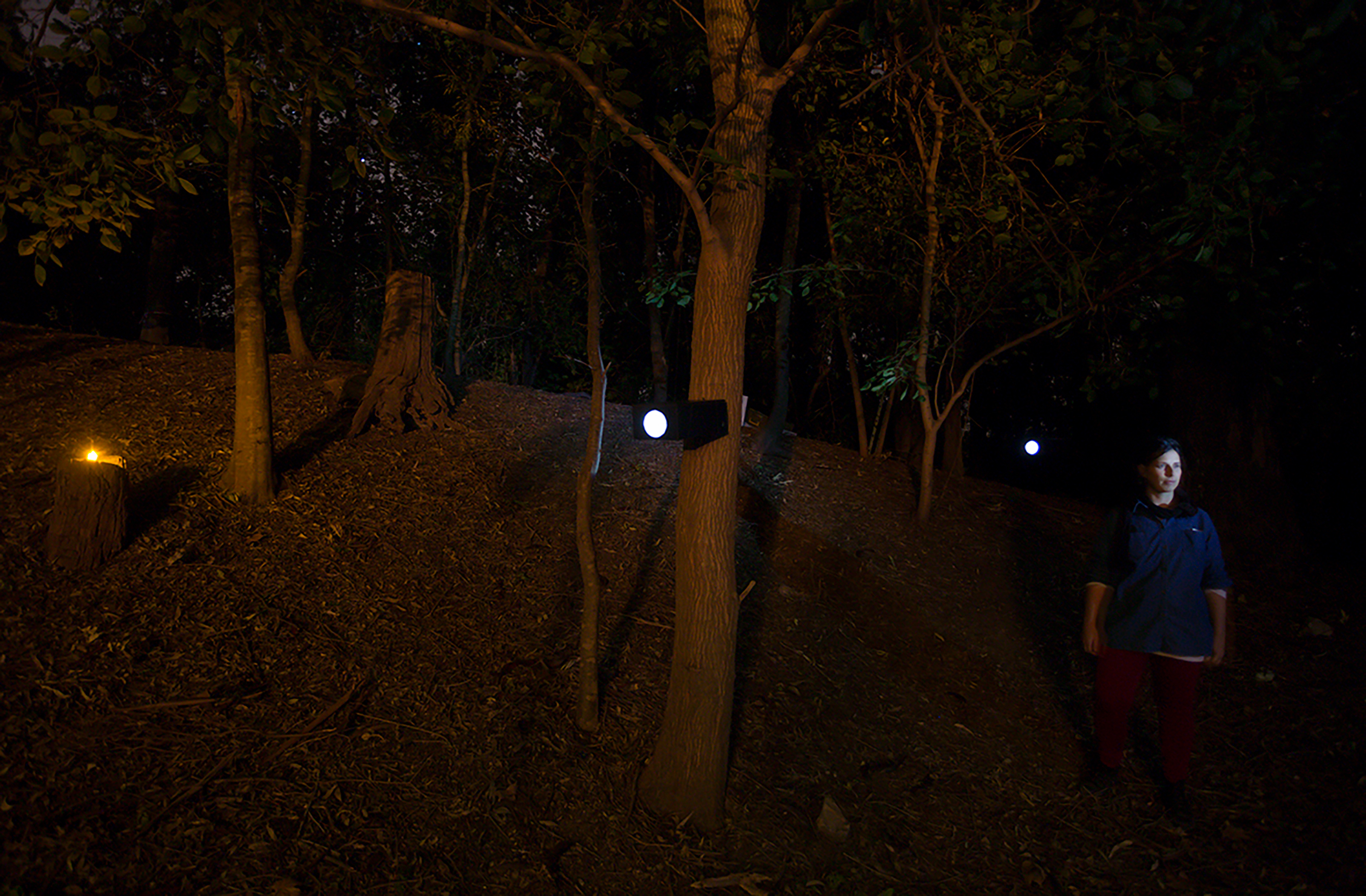
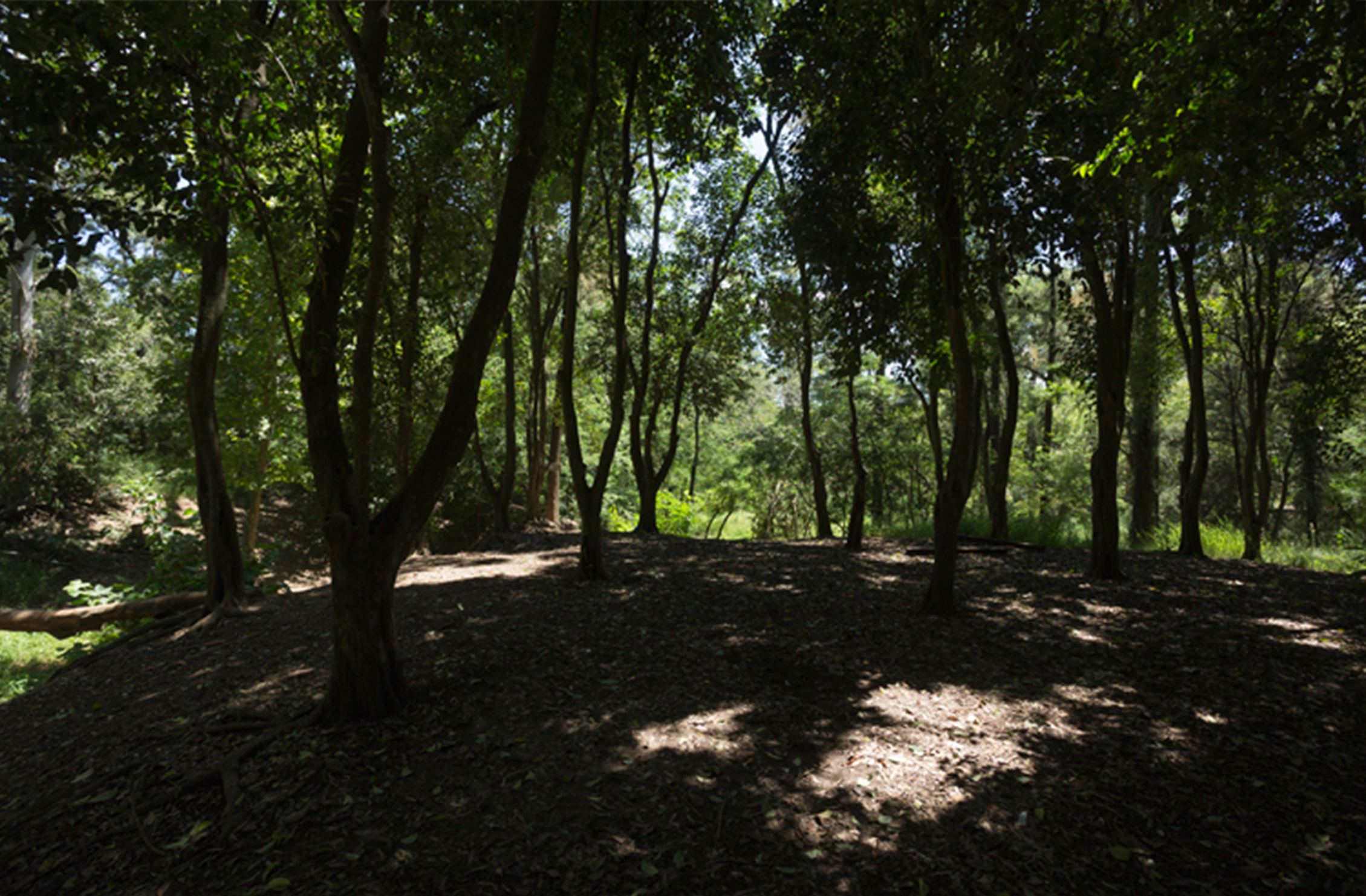
Perhaps the giants still inhabit these lands, finding in the night the moment to leave the ravines and wander along the riverbank.

TEAM

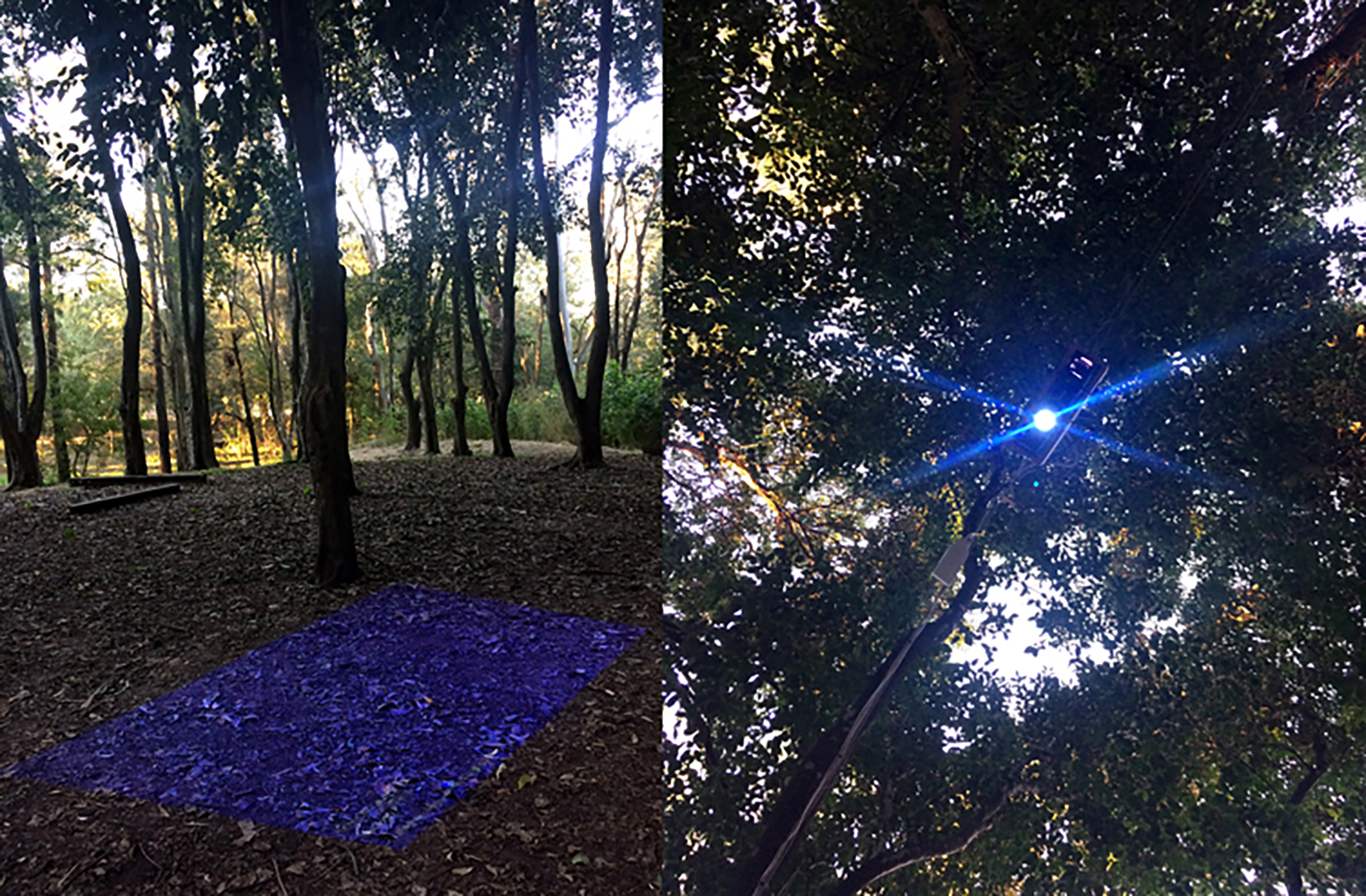
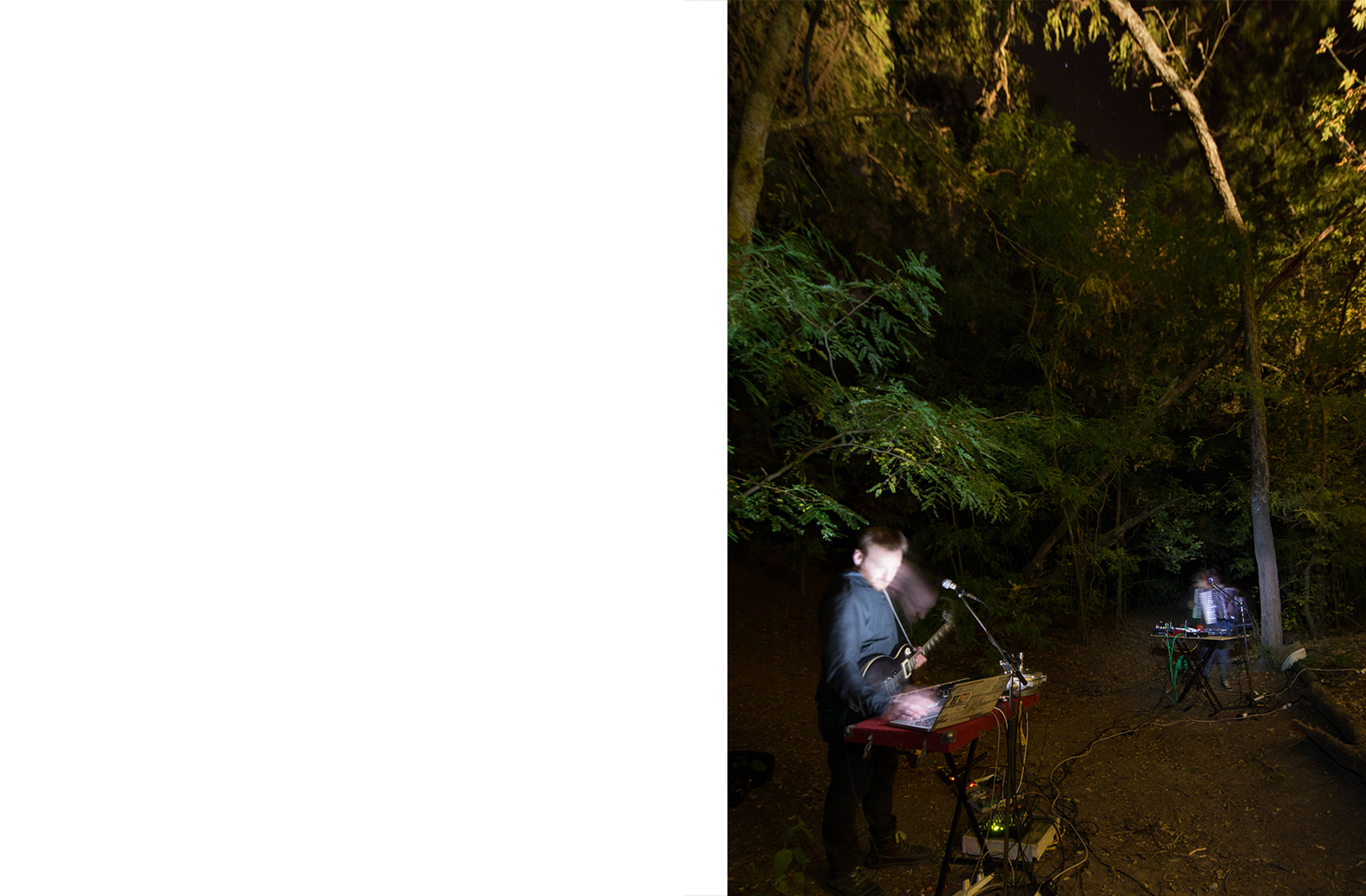
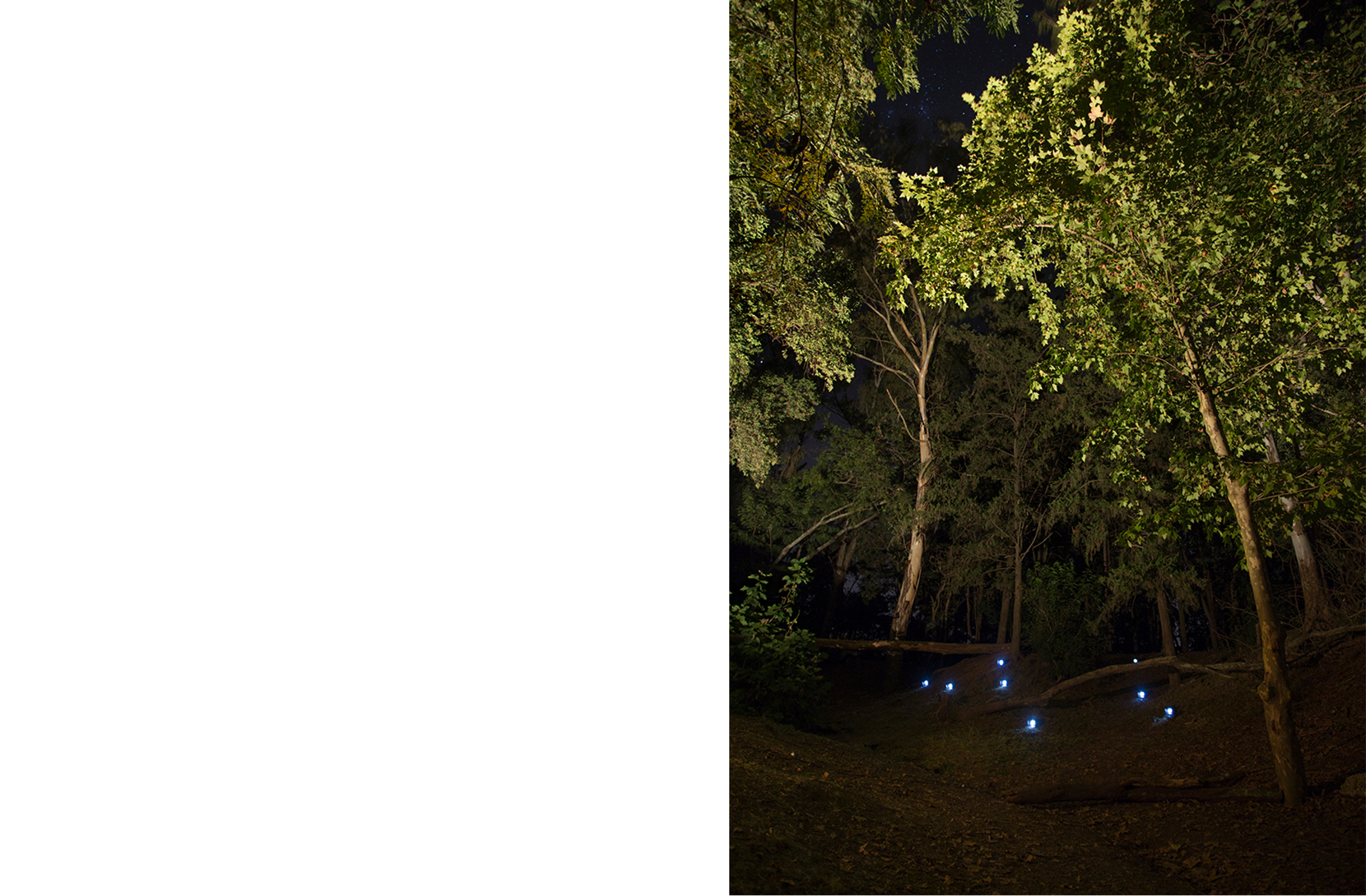
Instalación visual: Arraigada, Diego; Antuña, Jesu. Instalación Audiovisual: Barberis, Lilen. Instalación Sonora: Luciérnaga Furiosa y E'Bo.